



Free written scope consultation - allowances, timeline, and change-order rules on paper before a single trade is scheduled
Owens Corning Home Additions & ADU: The Houston Owner’s Guide
If you’re planning a home addition or ADU in Houston and want Owens Corning insulation and building materials used throughout the job, installed pricing on the full project typically runs $45,000 – $130,000 for a home addition and $90,000 – $220,000 for a detached ADU. We install Owens Corning insulation, sheathing, and weather-barrier products as part of our additions and ADU builds. Most owners find us after an earlier contractor cut corners on the envelope, or after they’ve priced out the project themselves and realized the material choices matter as much as the framing.
The reality in Houston is that a home addition isn’t a parts swap. But Owens Corning products are a material part of the build, and getting them right matters more than most homeowners suspect. Here’s what we know from building additions across Houston, from Meyerland to the Heights, and what it costs to do it correctly.
How Owens Corning Products Fit Into Houston Additions & ADUs
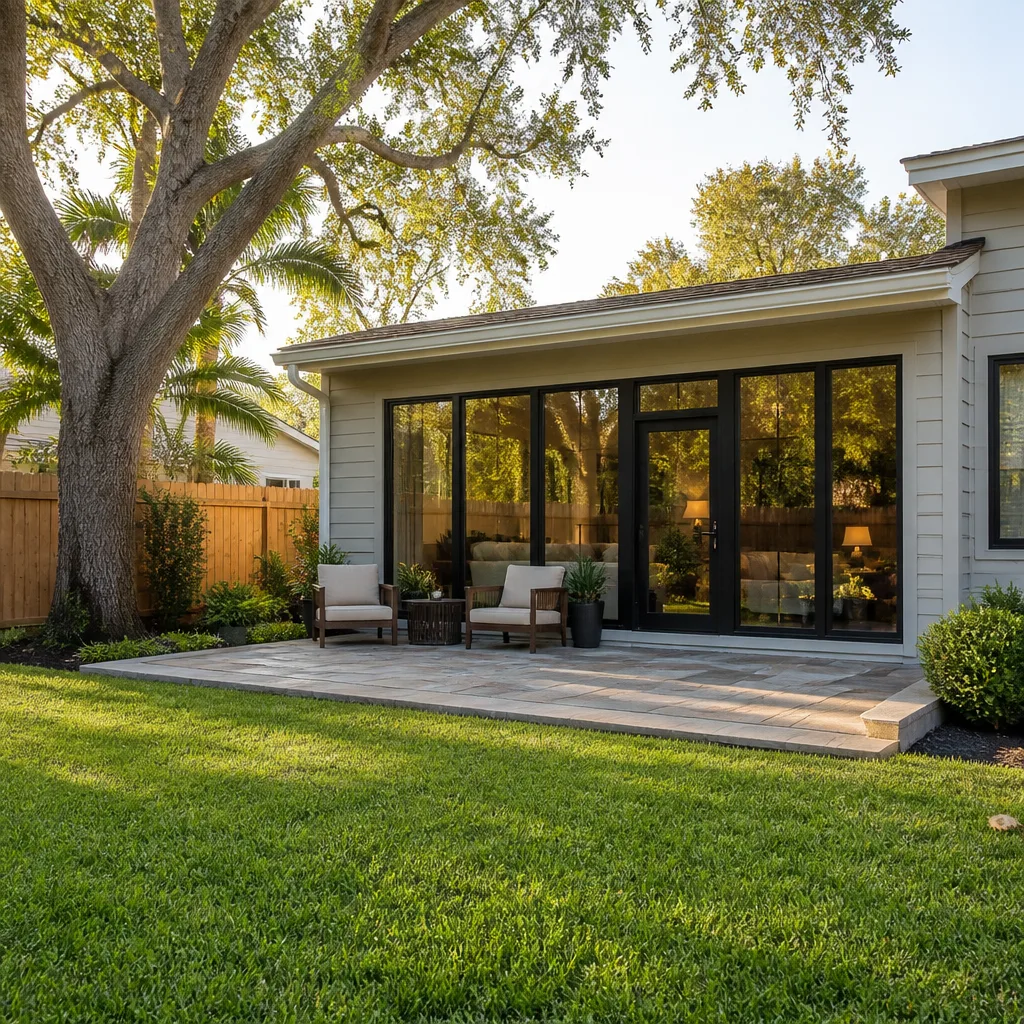
Owens Corning manufactures the key layers of a building envelope: fiberglass batt insulation, blown-in insulation, foam sheathing, and weather-resistive barriers like their WeatherLock line. In a Houston addition, these products do the heavy lifting against heat and humidity. The hot, wet climate here means an addition without proper insulation and moisture control fails in ways that are expensive to fix after drywall goes up.
One thing we see regularly in Houston homes built during the 1980s and 1990s: the original structure used R-13 batts in walls and R-30 in the attic, but the addition was insulated to the same spec as the original build, not to current code. Today, Houston falls under IECC climate zone 2A, which calls for R-13 to R-15 in walls and R-38 in attics for new construction. That gap matters. We spec Owens Corning R-15 EcoTouch batts in 2×4 walls and R-38 or better in attic spaces. It costs a bit more at the insulation stage, but it means the AC isn’t fighting the attic for the next 20 years.
For ADUs, the same rule applies even more. A detached ADU has four exposed walls instead of one or two, so the air-sealing and insulation work on all sides, not just the addition wall. Owens Corning foam sheathing under the siding and fiberglass in the wall cavities makes a measurable difference in how livable the space is in August.
Styles & brands we work with







Signs Your Houston Addition’s Owens Corning Package Is Failing
If you already have an addition or ADU that used Owens Corning materials, here’s what failure looks like on a Houston property:
- Hot rooms in the addition even with the AC running. This usually means insulation was compressed during installation or the attic insulation settled. Batts lose R-value when compressed down to fit a cavity that’s too shallow. We’ve opened up walls in Meyerland where the insulation was shoved into place and measured half the spec R-value.
- Condensation on the inside of addition windows during summer. That’s a red flag for missing or incorrectly installed vapor barriers and air leaks around the window framing. Houston’s humidity makes this problem show up faster than in drier climates. Owens Corning’s WeatherLock or similar barrier, properly taped at the seams, should stop that moving air before it hits the window.
- Musty smell in the addition that doesn’t go away with a dehumidifier. This usually means water is getting behind the siding or through the roof and sitting inside the wall cavity, soaking the fiberglass and feeding mold. Fiberglass batts that stay wet lose their loft, and if the framing stays wet, you get rot behind the drywall.
- Utility bills spiked after the addition went up and never came back down. A poorly insulated addition forces your whole HVAC system to work harder. In Houston, where cooling dominates eight months of the year, this shows up quickly on your electricity bill.
- You can hear outside conversations through the addition wall. Owens Corning batts provide sound dampening along with thermal performance. If street noise is traveling straight through, the batts may be too thin, incorrectly installed, or missing in spots.
See the difference
 Before
 After
After Before
 After
After Before
 After
AfterReplacement Cost & What’s Included
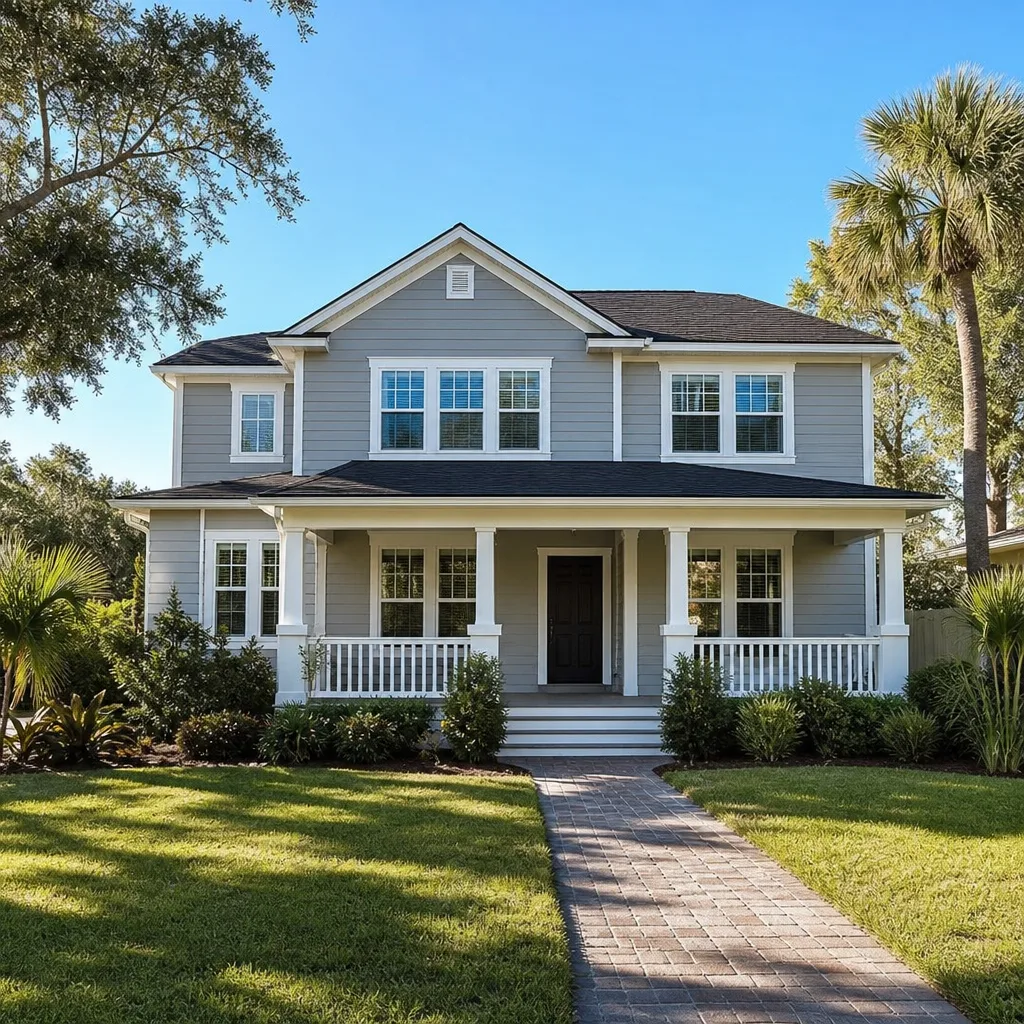
For an entire home addition in Houston built with Owens Corning insulation and envelope products, expect $45,000 – $130,000 depending on square footage, foundation type, and finishes. A detached ADU runs $90,000 – $220,000. Those numbers include the insulation package, the sheathing, the weather barrier, framing, drywall, electrical, plumbing, HVAC, and finishes.
If you’re only replacing insulation or redoing the envelope on an existing addition, the insulation material itself typically runs a few hundred to a few thousand dollars depending on square footage and R-value. The bigger cost is usually the access: removing drywall to replace batts, or cutting through finished ceiling space to blow in insulation. On additions with vaulted ceilings and no attic access, replacement tends to cost more because we have to work through the roof decking or sheetrock.
Every Penhallow Remodeling Houston project gets a written price before any work starts, and the number on day one is the number on the invoice. The 365-Day Done Right Promise covers the work in writing: if something fails inside the guarantee period, we come back and fix it at no charge.
DIY or Call Us?
Replacing Owens Corning insulation is one of the few parts of a home addition where a careful homeowner can do some work themselves, but there’s a big caveat for Houston. Fiberglass insulation is itchy and dusty, but it’s not dangerous in the hands of a careful person wearing long sleeves, gloves, and a mask. The problem comes with air-sealing and moisture barriers. If you lay batts over a leaky wall or seal the wrong layer, moisture gets trapped in the cavity and you’re growing mold inside a wall you can’t see.
Our honest recommendation: if the failing insulation is in an accessible attic or an open stud cavity, some homeowners can handle a batt swap. If the work involves cutting drywall, working around wiring, or correcting a moisture problem, call us at (254) 527-5340. The mistake Houston homeowners make most is insulating over a moisture problem instead of fixing the moisture first, and that mistake hides behind drywall for years before it shows up.
If any of this sounds familiar, call (254) 527-5340 and ask for a free estimate. We’ll look at the addition or ADU, tell you what’s actually wrong, and give you a written price before anything gets started.
FAQs
Fiberglass batt insulation doesn’t rot or wear out on its own, and if it’s kept dry and undisturbed, it should perform for the life of the house. What shortens its life in Houston is moisture from leaks, condensation from air leaks, or settling from poor installation. We typically find failed insulation in additions around the 10 to 15 year mark, and the cause is almost always water, not age. If your addition is dry and the insulation was installed correctly, replacing it shouldn’t be necessary.
Call (254) 527-5340 if you suspect moisture is the real problem, and we’ll confirm before you spend money on new batts.
In most cases, yes. If only part of the insulation is wet or compressed, we can remove and replace that section without tearing out the entire wall. The exception is when there’s been a leak or condensation problem for a while, mold has formed in the cavity, or the framing is damaged. Then it’s a remediation job, not just an insulation swap, and that changes the scope and cost. We’ll tell you which one you’re dealing with before quoting anything.
Call (254) 527-5340 and we’ll take a look and give you a straight answer.
A typical attic insulation replacement on an addition runs one to two days, including setup and cleanup. Replacing wall insulation behind drywall takes longer because it means cutting out and patching drywall, and depending on the size of the wall, it can run three to five days total. We’ll give you a defined arrival window and a written schedule before any work starts.
Call (254) 527-5340 for a timeline specific to your addition.
We keep Owens Corning R-13 and R-15 EcoTouch batts, R-38 attic batts, and Owens Corning foam sheathing in common dimensions at our Houston shop and on our install trucks. For less common R-values or thicker sheathing, we bring materials from our supplier on the scheduled job day. KraftMaid cabinetry, Cambria and Silestone countertops are also brands we order through our trade partners for remodel portions of additions and ADUs.
Call (254) 527-5340 and we’ll confirm material availability before we quote the job.
Written by Trevor Nash, Owner, Penhallow Remodeling Houston at Penhallow Remodeling Houston, serving Houston and nearby areas.


