
Free written scope consultation - allowances, timeline, and change-order rules on paper before a single trade is scheduled
CWS Home Additions & ADU: The Houston Owner’s Guide
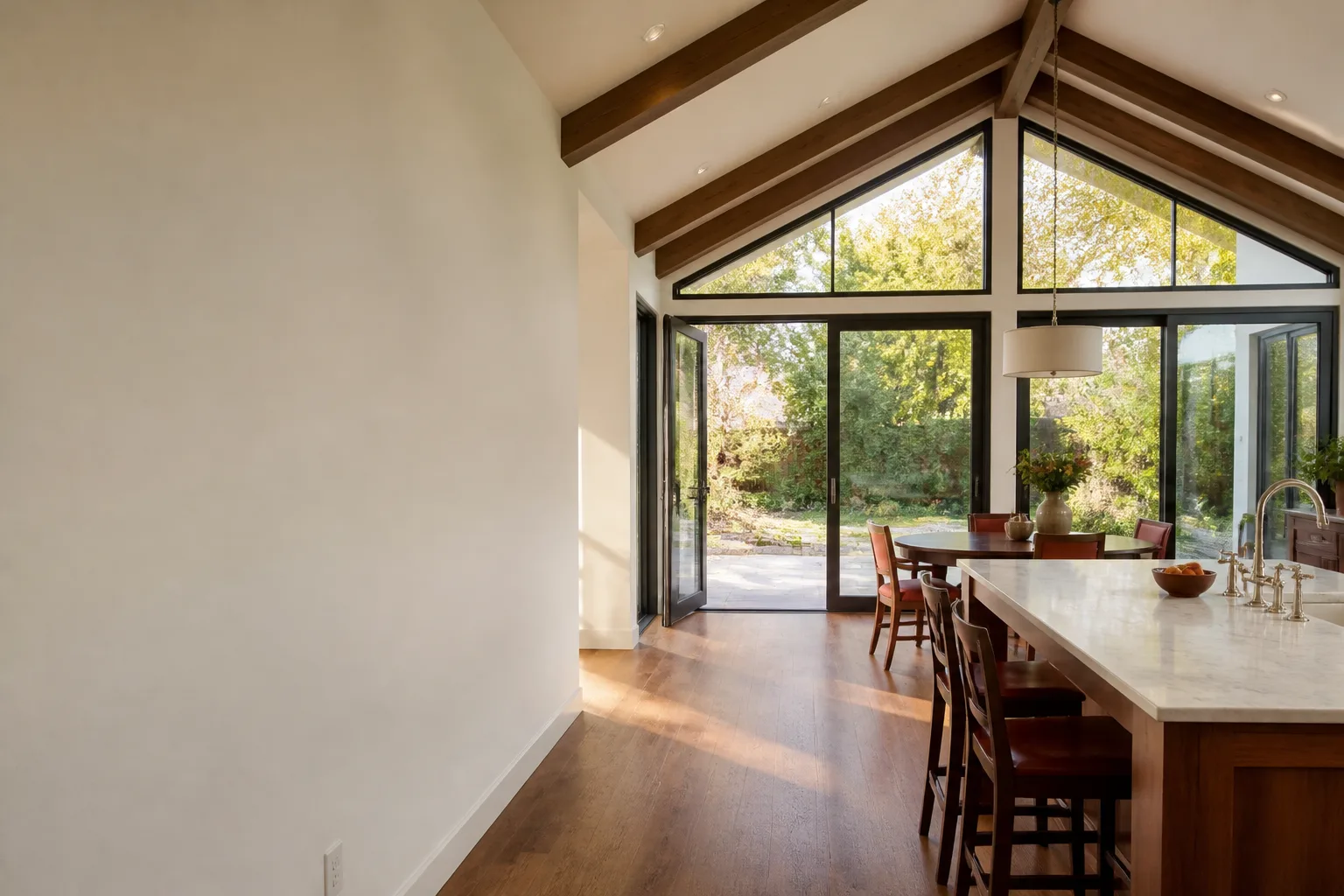
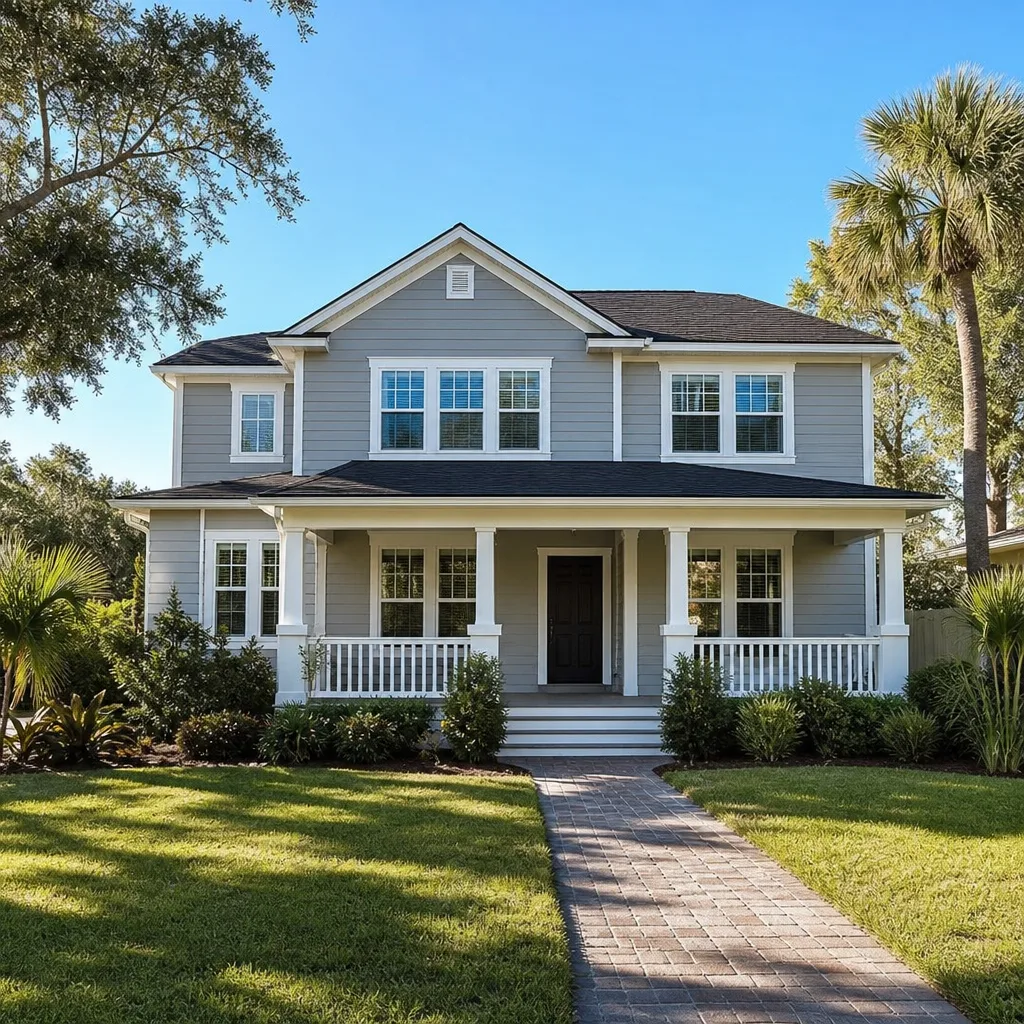
A complete CWS home addition or ADU in Houston typically costs $45,000 – $130,000 installed, and the number that matters most is the one that holds. Most homeowners don’t discover their CWS addition has a failing component until a door stops closing square, a wall shows hairline cracking near the tie-in, or the HVAC can’t keep the new space comfortable. We’re Penhallow Remodeling Houston, an independent remodeling company not affiliated with CWS, and we handle CWS home additions and ADU repairs, component replacement, and full re-installation with written pricing before any work starts. If your CWS addition has a structural, mechanical, or finish problem, we’ll identify exactly what failed, match it to the right CWS-compatible component, and give you a straight number.
Key takeaways:
- CWS additions and ADUs fail most often at tie-in points, flashing, and electrical subpanels, not in the main structure.
- Replacement work in Houston runs $45,000 – $130,000 depending on scope, finish level, and whether you’re repairing a component or rebuilding a section.
- We stock common CWS-compatible hardware, subpanel components, and flashing on our trucks; specialty parts arrive within days.
- Every job gets a written price and a 365-Day Done Right Promise before we touch a wall.
Which CWS Models This Applies To
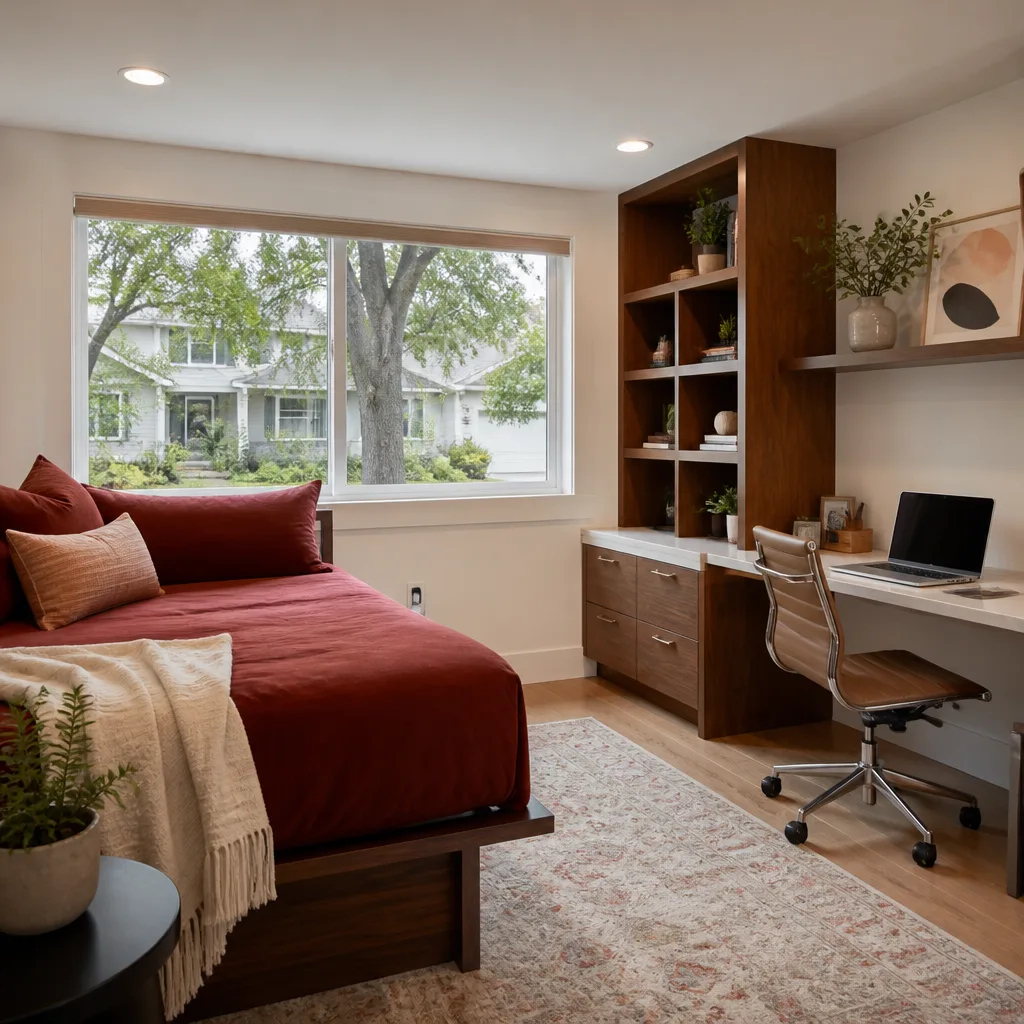
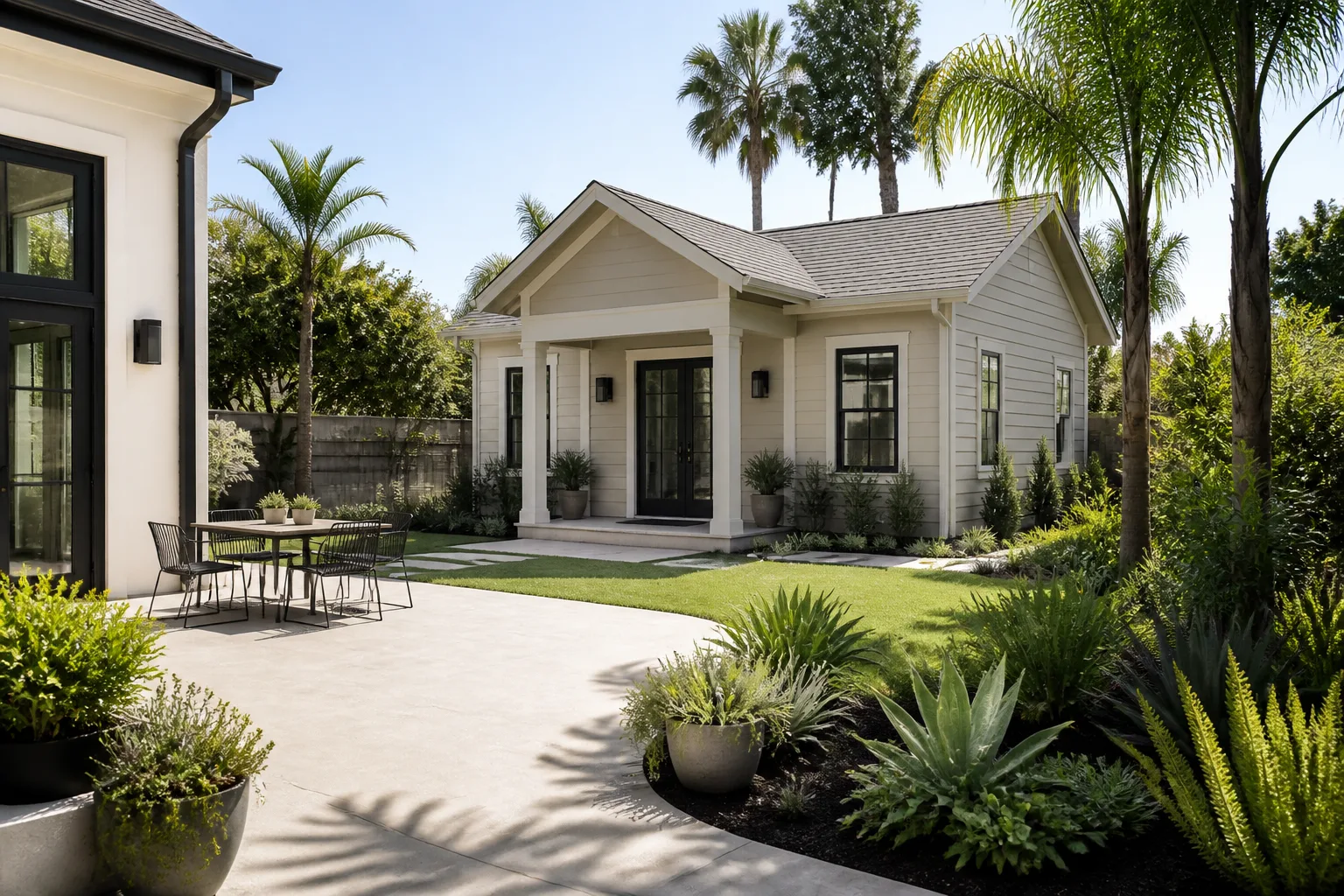
If your CWS addition or ADU was built within the last 10 – 15 years in the Houston area, you’re almost certainly working with one of CWS’s pre-engineered addition kits or a site-built ADU using their specified wall, truss, and tie-in details. The challenge isn’t usually identifying the model line. It’s identifying which tolerance spec your structure was built to. CWS uses several tie-in configurations depending on the age of the primary home, and a 2012 addition mated to a 1980s ranch in Spring Branch handles expansion and soil movement differently than a 2019 ADU on a post-tension slab in Katy. Before we order anything, we check the original tie-in detail, the flashing condition at the roofline, and whether the original contractor used the CWS-specified membrane at the transition point. That’s the gotcha most people miss: the CWS part may be fine, but the integration point was never done to the spec the system expects.
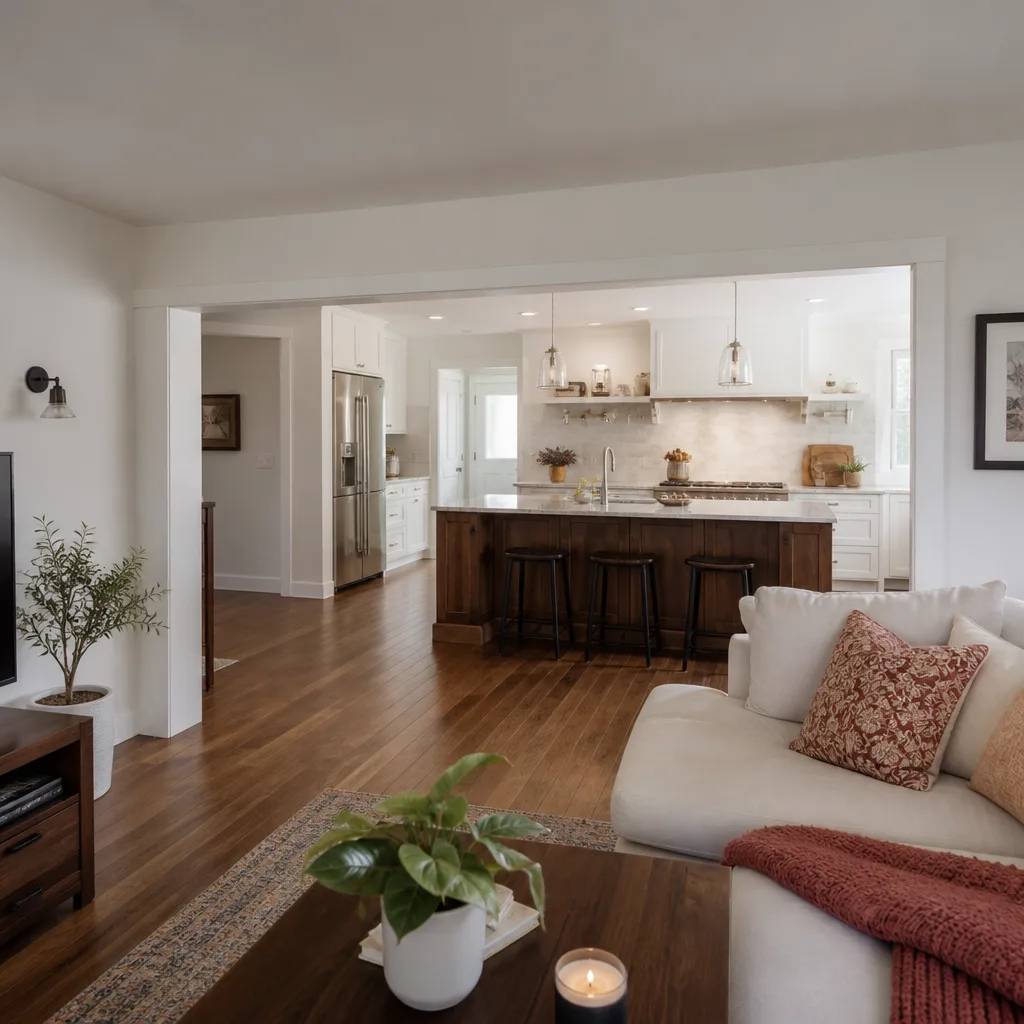
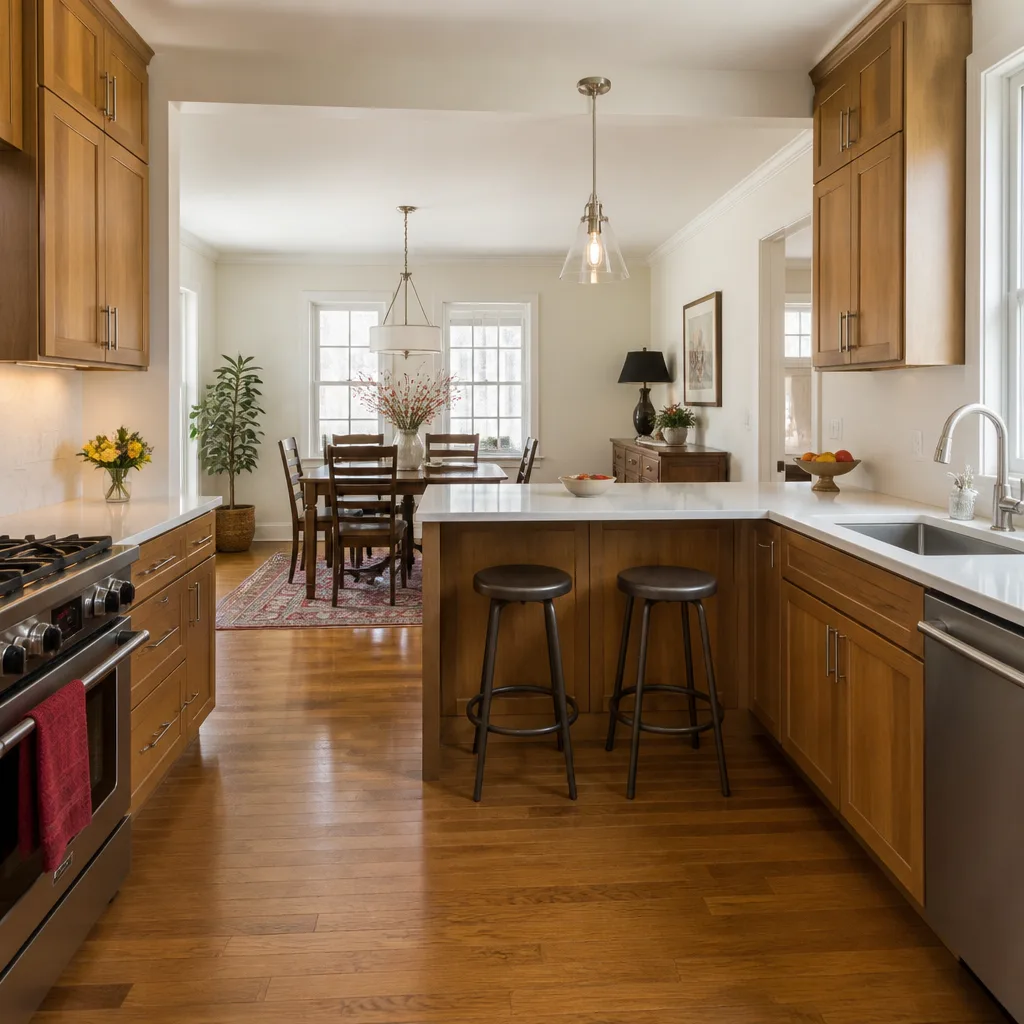
For component-level replacement, we lean on OEM-equivalent CWS hardware when the original part is load-bearing or code-sensitive. For non-structural items like interior trim, door hardware, and some flashing, a quality aftermarket equivalent from our trade-brand suppliers is often more cost-effective and performs as well or better in Houston’s humidity. We’ll walk you through that decision line by line. We also stock and work with materials from KraftMaid, Cambria, and Silestone for finish work inside CWS additions and ADUs, so the interior matches the structure’s integrity.
Styles & brands we work with







Signs Your CWS Home Additions & ADU Is Failing
- A door that won’t latch or drags at the top corner. This usually means the addition has settled or the header has deflected. In Houston’s expansive clay soils, especially around Meyerland and Bellaire, differential movement between the original slab and the addition slab is the most common culprit.
- Hairline cracks running diagonally from the corners of windows or doors in the new space. This is often a tie-in issue rather than foundation failure. The original structure moves one way, the addition moves another, and the drywall at the junction takes the strain.
- Water staining along the ceiling where the addition roof meets the main house. The valley flashing at that intersection is the first thing to fail, especially after a Houston gully-washer. CWS specifies a particular flashing sequence, and if the original installer skipped a step, you’ll see it in the drywall within five to seven years.
- The HVAC in the addition can’t hold temperature in August. Many CWS additions were permitted with undersized duct runs or a mini-split that was never balanced for the room’s actual load. That’s not a CWS problem. That’s an install problem we correct.
- The subpanel in the ADU trips when you run the microwave and the window unit at the same time. This is frequently an undersized feeder or a loose connection at the main panel. It’s an electrical issue that needs a licensed professional. Do not open the panel yourself.
See the difference
 Before
 After
After Before
 After
After Before
 After
AfterReplacement Cost & What’s Included
Repair and replacement work on a CWS home addition in Houston runs $45,000 – $130,000 installed, depending on what actually failed and what the repair requires. Full ADU construction runs $90,000 – $220,000. A tie-in repair, flashing replacement, and re-sealing might land at the lower end. Pulling a subpanel, re-feeding the ADU, and correcting a settling wall pushes toward the middle. A structural rebuild of a failed addition section lands at the top. The number depends on access, the age of the original work, and what Houston’s permitting office requires for the correction. Every quote we write includes parts, labor, debris removal, and the permit pulls when the scope demands them. No change orders. No day-one number that somehow becomes a different number at the end. And every job carries the 365-Day Done Right Promise: if the repair fails inside the guarantee period, we come back and fix it at no charge. That’s in writing, on every project, before you sign anything.
DIY or Call Us?
You can safely check a few things yourself. Run your hand along the drywall at the ceiling tie-in and look for nail pops or a seam that’s starting to separate. Look at the flashing from the ground with a pair of binoculars if you don’t want to get on a ladder. Check the subpanel for a warm breaker face. But do not get on a ladder at the roofline, do not open the panel, and do not try to force a door or window back into square. The roofline work is a fall hazard, the panel work is an electrical hazard, and the door is telling you something about the structure below. A professional needs to read that signal. Nobody ever saved money by ignoring a tie-in crack for three more Houston summers. Call (254) 527-5340 and we’ll come look, tell you what’s actually going on, and put the fix in writing. Give me the straight story on what you need, and I’ll give you the straight number on what it costs.
FAQs
A properly installed CWS addition should last 50+ years structurally, but Houston’s soil movement and humidity mean the tie-in points, flashing, and HVAC connections typically need service or replacement every 10 – 15 years. The structure outlives the interfaces. Call (254) 527-5340 if you suspect a tie-in or flashing issue, and we’ll give you an honest read on whether it’s repair or replacement.
In many cases, yes. Flashing can be removed and re-sequenced, subpanels can be re-torqued or re-fed, and tie-in cracks can be stabilized with the right reinforcement. Structural rot or severely deflected headers usually require replacement rather than patchwork. We’ll show you exactly why and give you both options with written numbers.
A flashing or tie-in repair typically takes two to five days, including drywall, texture, and paint. An electrical re-feed or subpanel replacement usually runs one to three days plus a City of Houston inspection. Structural correction can take three to eight weeks depending on engineering sign-off and access. We’ll give you a defined arrival window and a written schedule before we start.
We stock common CWS-compatible flashing, tie-in fasteners, subpanel components, and door hardware on our trucks. Specialty CWS components are ordered as needed and typically arrive within a few working days. If we can’t get an OEM CWS part quickly, we’ll tell you what the aftermarket equivalent is and what the warranty on it looks like. Estimates are free. Call (254) 527-5340 for an exact quote.
Written by Trevor Nash, Owner, Penhallow Remodeling Houston at Penhallow Remodeling Houston, serving Houston and nearby areas.


