
Free written scope consultation - allowances, timeline, and change-order rules on paper before a single trade is scheduled
Abodu Home Additions & ADU: The Houston Owner’s Guide
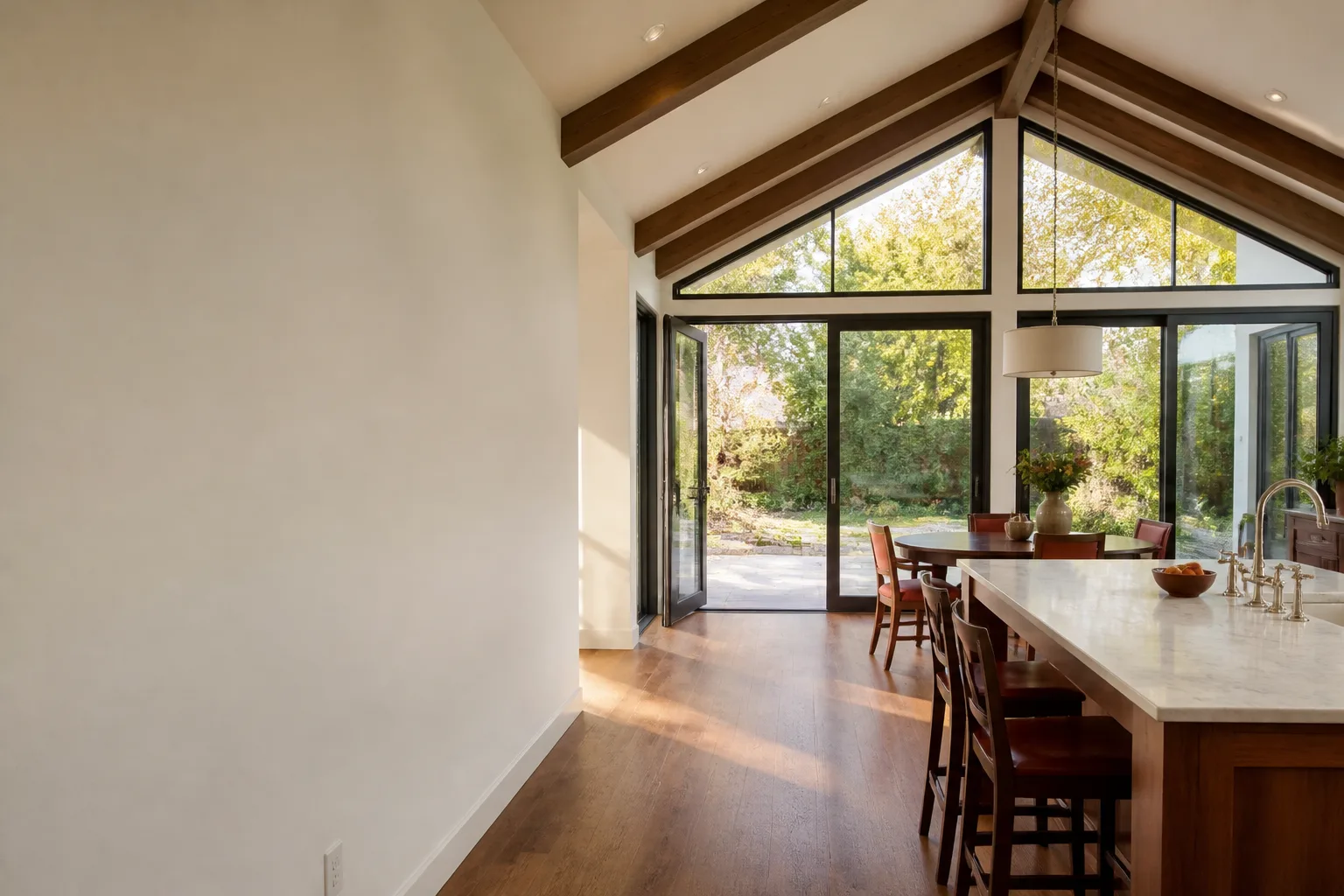
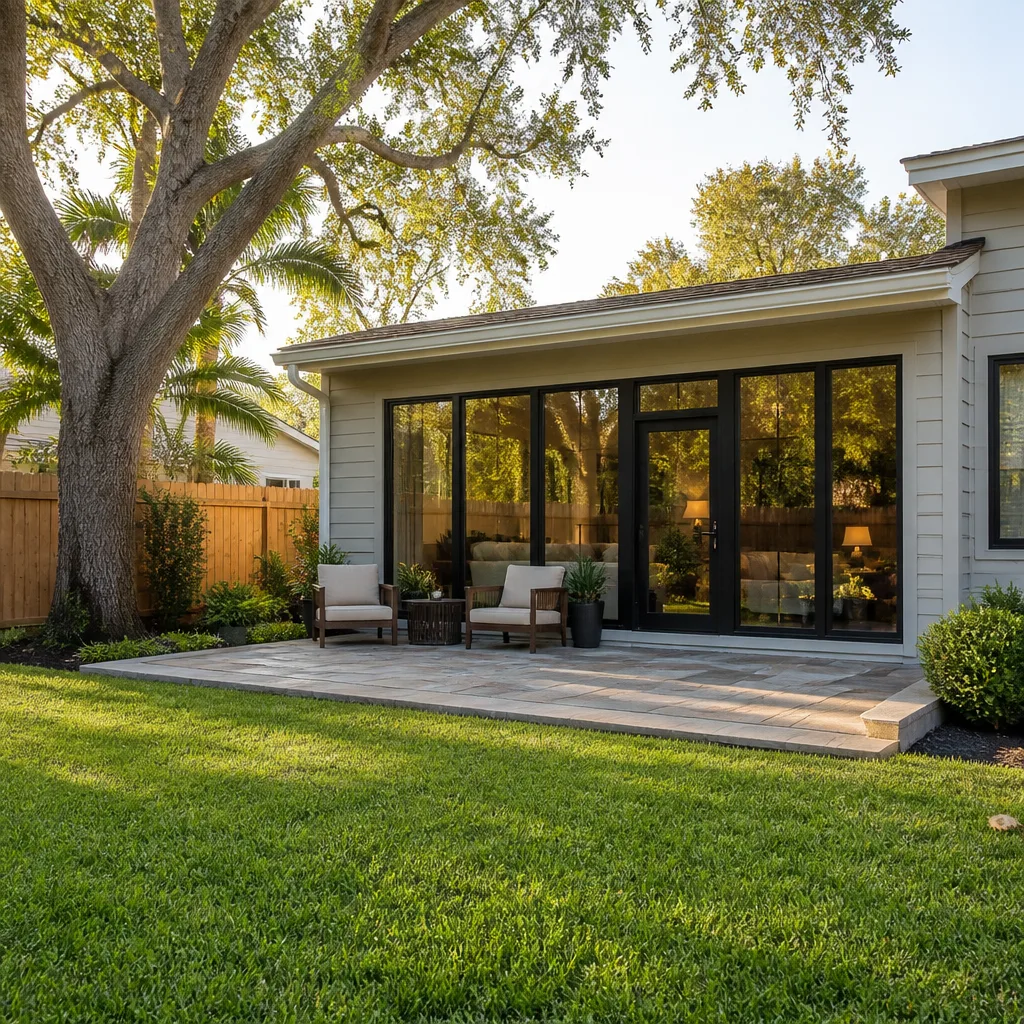
If you own an Abodu home addition or ADU in Houston and something’s failing, we stock and install the replacement parts most owners need, with typical installed work on Abodu-related structures running $45,000 – $130,000 here in Houston depending on size, foundation condition, and what’s actually wrong. That’s the range for a full home addition; smaller fixes like compromised flashing, failed sealant joints, or damaged siding on an existing Abodu unit will land well below that, usually in the $3,500 – $9,000 range. Most owners first notice a problem the way Houston makes everything noticeable: after a heavy rain, a humid July stretch, or a freeze-thaw cycle that leaves a hairline crack exactly where water wanted to get in.
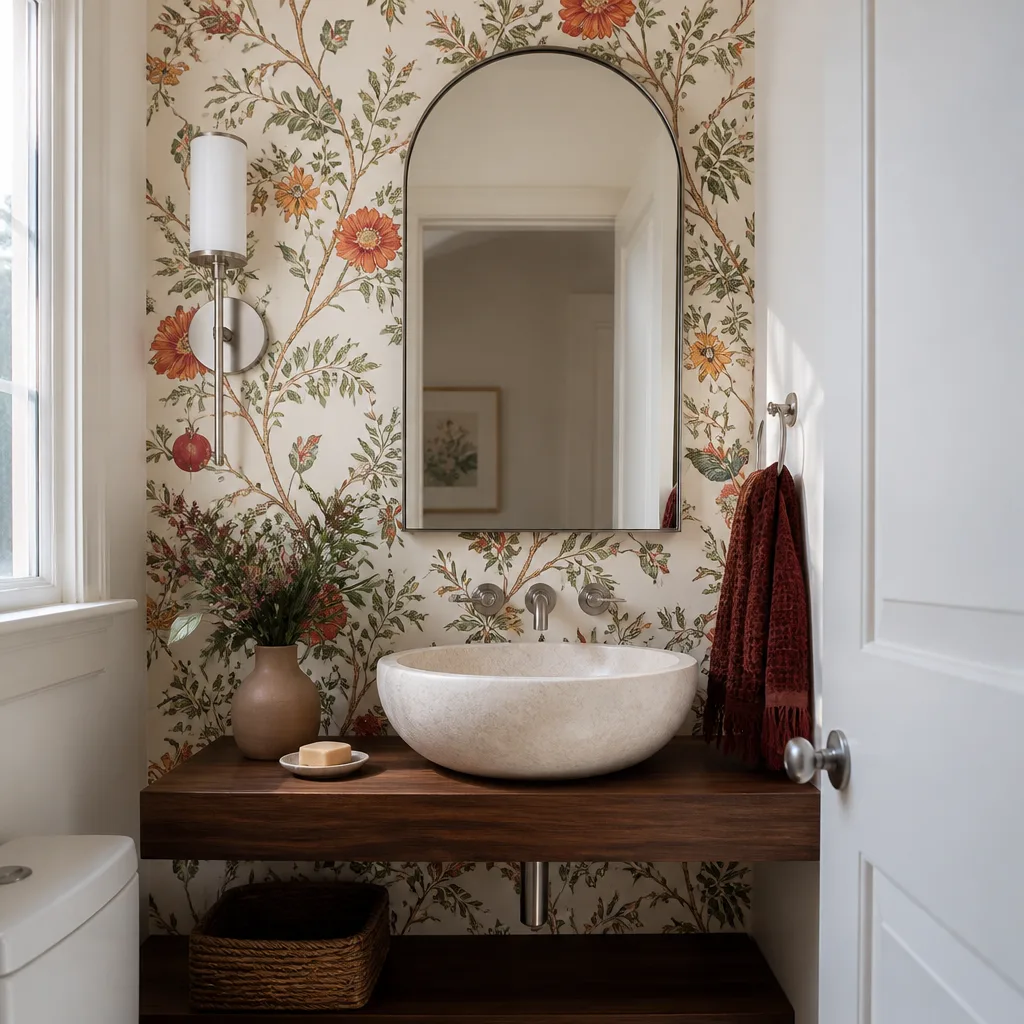
Quick note before we go further: Penhallow Remodeling Houston is an independent contractor. We’re not affiliated with Abodu, but we work on their factory-built units regularly because the modular approach leaves a specific set of predictable failure points here in the Gulf Coast climate. Our crew also handles parts and finishes for KraftMaid, Cambria, and Silestone products, so if your Abodu addition has one of those brands inside, we can match it properly.
Key Takeaways:
- Abodu home additions and ADUs in Houston typically cost $45,000 – $130,000 for a full build or major repair, with smaller fixes falling under $10,000.
- We give you a written price before any work starts. Not a range, not a ballpark. A number you can hold us to.
- Every job carries the 365-Day Done Right Promise in writing. If it fails inside a year, we come back and fix it at no charge.
- We answer the phone 24/7 with a real person. Call (254) 527-5340 and you’ll talk to someone on our team, not a voicemail tree.
Which Abodu Models This Applies To
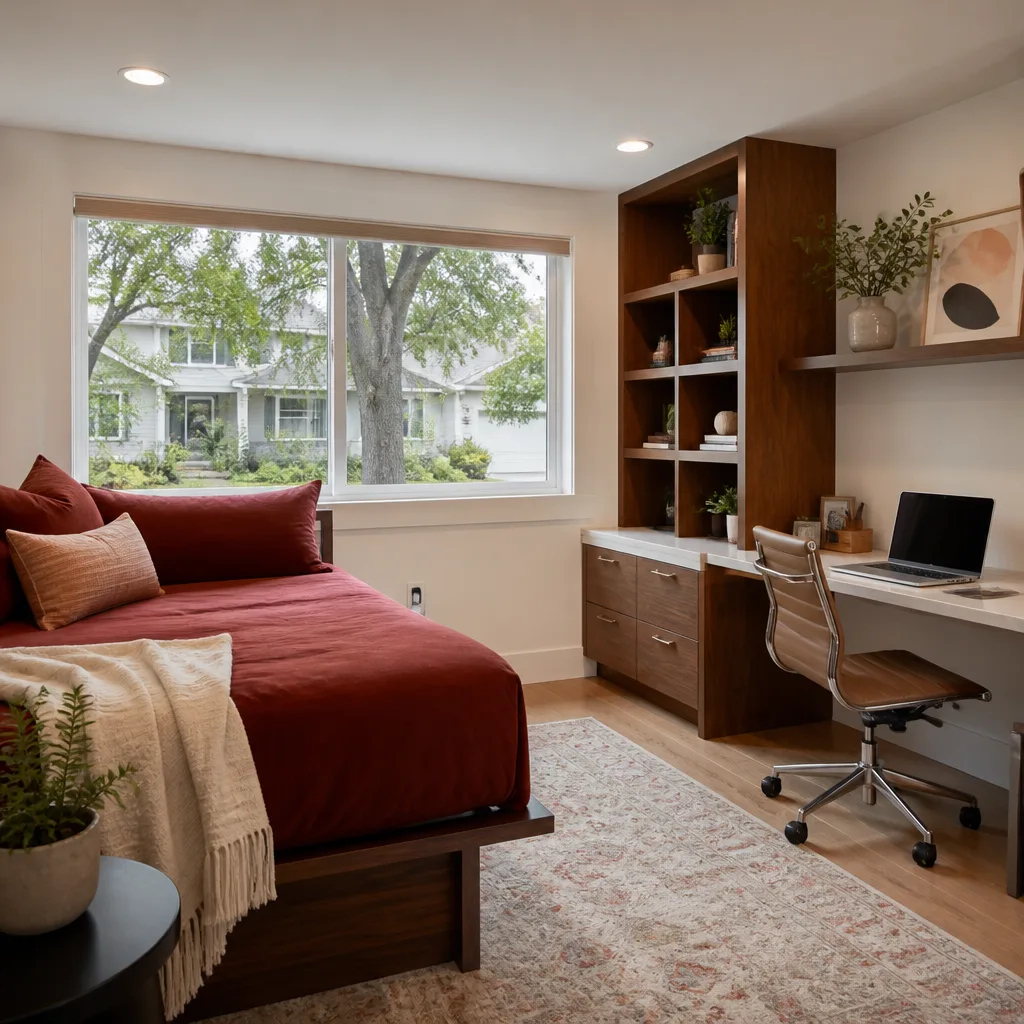
Abodu’s factory-built ADUs and additions in Houston span a few model configurations: studio units, one-bedroom layouts, and the larger two-bedroom plans. The shell materials are consistent across the line: steel framing, Hardie-style fiber cement cladding, and aluminum-frame glazing at the corners. That means the parts that fail are consistent too, regardless of which model you have. Expansion joints at the factory-set wall intersections, roof membrane terminations where the parapet meets the walking surface, and the flashing details at window head and sill are the three places we get called about most often.
Here’s the compatibility gotcha a lot of Houston owners miss: Abodu’s modular sections ship with a specific sealant type at the marriage line. That sealant is rated for a dry, mild climate. Houston’s humidity and wet-season standing water puts triple the stress on it. If you’re seeing separation or peeling at the seam where two modules meet, the fix usually isn’t re-caulking with whatever’s at the hardware store. It’s pulling the old sealant, bedding a proper moisture-rated joint compound, and reinstalling a backer rod before the finish bead. We do that every month in neighborhoods like Westbury, Meyerland, and Bellaire.
On the OEM-versus-aftermarket question: for window seals, door sweeps, and interior finish trim, quality aftermarket equivalents work fine and often outperform the original because they’re spec’d for coastal Texas weather. For structural connectors and roof-membrane patches, we use the manufacturer’s specified product or a documented equivalent. That’s not snobbery. It’s because a failed roof membrane on an Abodu unit in Houston means water gets into the wall cavity, and under that Houston sun, trapped moisture becomes mold faster than you’d believe.
Styles & brands we work with







Signs Your Abodu Home Addition or ADU Is Failing
- Water staining around window corners or at the ceiling-to-wall junction. On Abodu units specifically, this usually traces to a failed seal at the parapet cap or a compromised expansion joint. The window itself is rarely the problem. The water just looks for the easiest exit, which is almost always at the corner bead.
- Doors that stick or bind, especially in the humid months. The Houston humidity cycle makes wood and even some composite frames swell and contract. On a modular unit, a binding door often means the home’s structure has settled slightly out of square. That’s not a door-latch fix; that’s a foundation-check fix.
- Peeling or bubbling paint at the lower wall, a foot or two up from the slab. This is the classic sign of moisture wicking through the wall base. In Houston’s saturated clay soils, even a properly sloped pad holds water after a big rain. The Abodu marriage line at the base is a common entry point.
- Musty smell that you can’t locate, strongest after a rain event. You’re smelling trapped moisture inside a wall cavity or under the flooring. This is the one to take seriously. By the time you smell it, the moisture has been there a while, and the fix usually involves opening the area up. Waiting makes it worse.
- Visible cracking at the seam where two factory modules connect. The modules are built square in a factory, but they’re set on a Houston foundation. Soil movement in this area, particularly in the Meyerland and Sharpstown corridors, translates directly to that marriage line. Small hairline cracks are normal. Gaps wider than a credit card are not.
See the difference
 Before
 After
After Before
 After
After Before
 After
AfterReplacement Cost & What’s Included
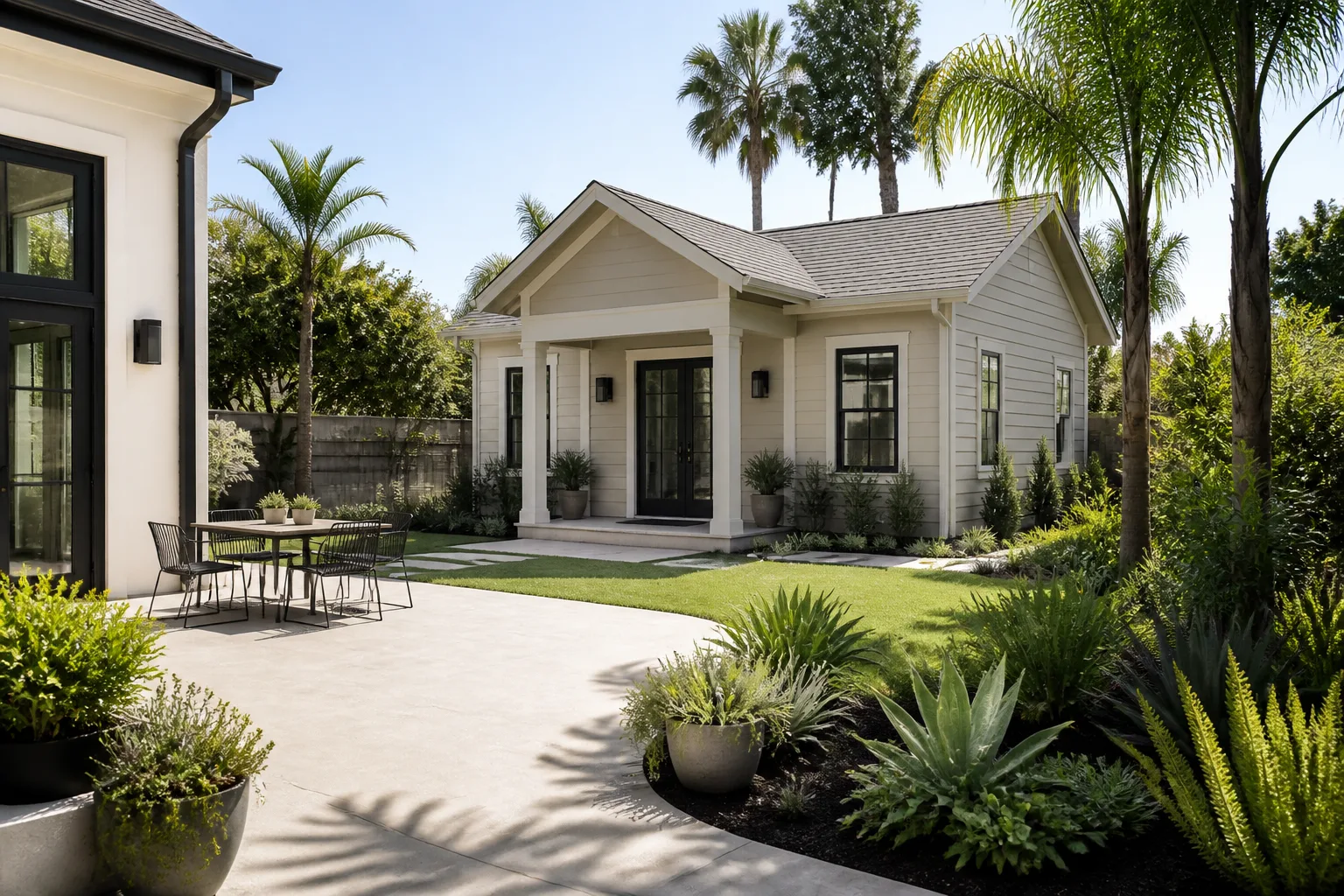
For a full home addition built to match or extend an existing Abodu unit, plan on $45,000 – $130,000 in Houston. The spread comes down to size, foundation type, tie-in complexity, and finish level. A simple ground-level extension with a modest finish package sits at the lower end. Anything involving a second-story addition, complex roof tie-ins, or high-end finishes pushes toward the top of that range. This is real money, which is exactly why we put the number in writing before we touch the job.
Here’s what you should expect from any contractor on a job this size, and what we provide as standard: a written line-item price before any work starts, with no change orders unless you approve them in writing first. A defined arrival window for every day of the project. A written guarantee covering the work for 365 days. And a clean job site at the end of every day. For smaller Abodu repairs, like flashing replacement or sealant renewal, expect labor-and-materials pricing in the $3,500 – $9,000 range depending on how much of the affected area we have to open up to do the repair correctly.
DIY or Call Us?
You can safely check a few things yourself: inspect your Abodu unit’s exterior sealant joints twice a year, especially after a hard freeze or a heavy rain. Look for separation at the corners, at the marriage line, and around every window and door opening. If you see a problem developing, you can document it with photos. But resealing a modular home’s structural joints is not a weekend DIY job. The wrong sealant, applied over uncleaned substrate, traps moisture inside the wall and makes everything worse. Foundation-level issues on your Abodu addition are absolutely not DIY territory, and neither is any electrical work tied to the unit’s systems. Houston’s expansive clay soil plus a factory-built structure plus water intrusion equals an expensive repair if it’s not handled right the first time.
Call (254) 527-5340 and describe what you’re seeing. We’ll tell you over the phone whether you need a service visit or just a second pair of eyes during your next inspection. Either way, you’ll get the straight story and a written number if work is needed.
FAQs
An Abodu unit’s factory-built shell should last 30 – 50 years in Houston, but the weather-exposed components (roof membrane, exterior sealants, flashing) typically need major service every 10 – 15 years in this climate. Call (254) 527-5340 for a free assessment if your unit is past the decade mark and you haven’t had the seals checked.
Most failures are repairable. We replace individual components (roof membranes, flashing systems, sealant joints, door assemblies) rather than entire units. Full replacement is almost never necessary unless moisture damage has been ignored for years. Get the straight story by calling (254) 527-5340 for a free estimate, no obligation.
Most sealant or flashing repairs take one to two days once materials are on hand. A full home addition tied to an existing Abodu structure typically runs 8 – 16 weeks. Before we start, you get a written schedule with a defined arrival window for each phase, not a vague “we’ll be there sometime.” Call (254) 527-5340 to discuss your timeline.
We keep common Abodu-compatible components in stock, including sealants, backer rod, flashing profiles, and interior finish trim. For structural connectors and roof membrane products, we order per job to ensure you get the spec-correct product, not whatever’s been sitting on a warehouse shelf for three summers. Call (254) 527-5340 and we’ll confirm on the phone whether we have what you need today.
Written by Trevor Nash, Owner, Penhallow Remodeling Houston at Penhallow Remodeling Houston, serving Houston and nearby areas.
Ready to talk about your Abodu home addition or ADU? Call (254) 527-5340 and you’ll reach a live person. No voicemail maze, no callback window. Give me the straight story on what you need, and I’ll give you the straight number on what it costs.


