




Free written scope consultation - allowances, timeline, and change-order rules on paper before a single trade is scheduled
Tuff Shed Fence Installation: The Houston Owner’s Guide
Tuff Shed fence installation in Houston typically runs $3,500 to $9,000 installed, depending on linear footage, post depth, and whether we’re tying into an existing Tuff Shed anchor system or starting fresh. We stock Tuff Shed-compatible fence hardware on the truck, and most jobs are completed in one to two working days once we’ve walked the site. The way most Houston owners discover this problem is simple: they notice a fence panel leaning hard after a spring storm, or a post wobbling at the base near their shed, and then they realize the original install wasn’t built for our soil.
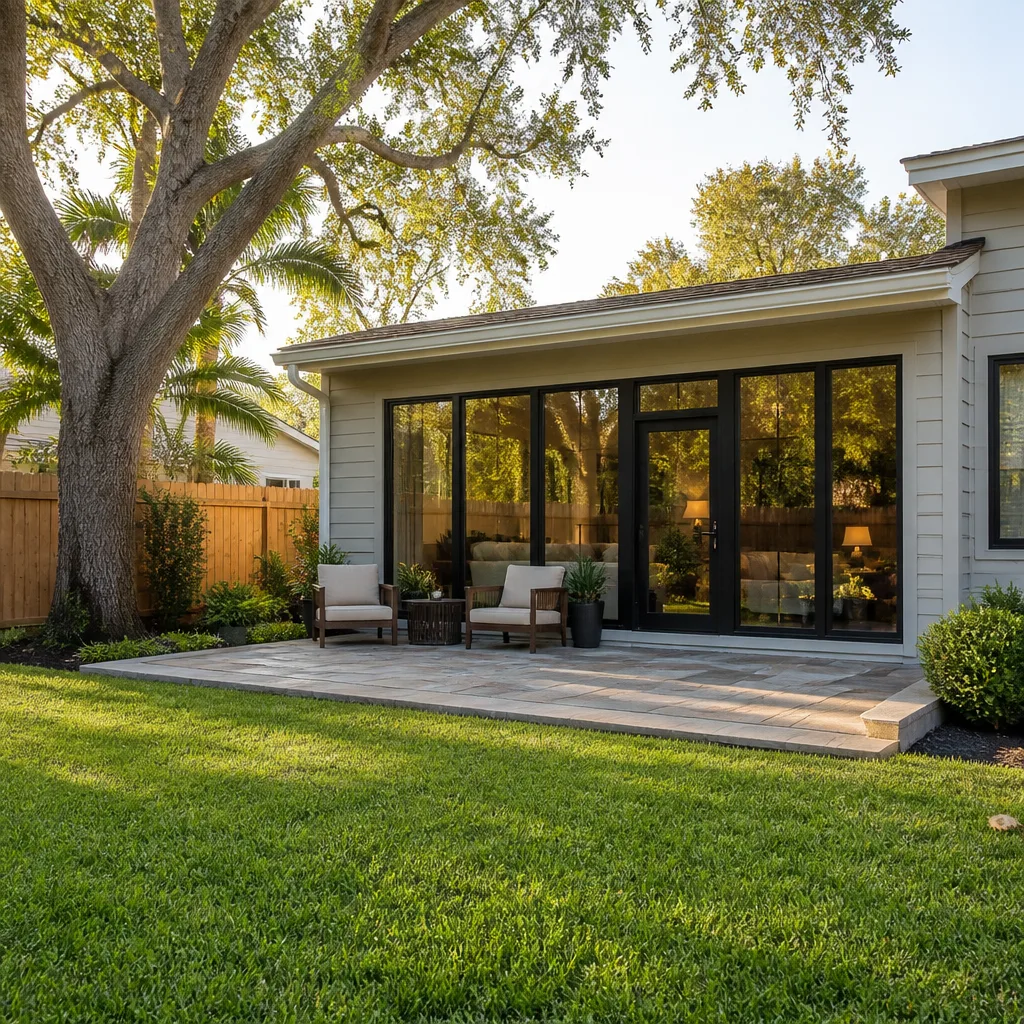
What we see regularly in Houston neighborhoods like Meyerland, Cypress, and Katy is fence failure that starts underground. Our clay-heavy soil shifts with every wet-dry cycle, and posts set shallow or without proper concrete collars start moving within two or three seasons. If your Tuff Shed sits along a fence line, a failing fence pulls on the shed’s perimeter, and before long you’ve got two problems instead of one. Trevor Nash has been walking Houston job sites long enough to know that what’s under the fence matters as much as what’s above it.
Which Tuff Shed Models This Applies To

If your fence installation ties into any Tuff Shed Premier, Pro, or Ranch series building, this page covers what you need to know before calling anyone. Tuff Shed uses a consistent post-and-rail anchoring system across most residential lines, but there’s a compatibility gotcha worth knowing: the Premier and Pro series both use 4×4 post mounts with galvanized brackets spaced at 6-foot or 8-foot intervals along the shed wall. The Ranch series, especially older units from the early 2010s, often has 4×6 posts instead, which changes the bracket size and the post hole diameter entirely.
If you’re not sure which series you have, look for the metal ID plate on the interior of the shed near the door frame. It lists the model number and the date of manufacture. The plate matters because Tuff Shed changed anchor bracket specs around 2016, and ordering the wrong bracket set for an older unit adds a full day of frustration. For most Houston installations we spec treated southern yellow pine for posts and the same gauge galvanized hardware Tuff Shed uses from their factory, unless you request a specific aftermarket upgrade for longevity in our humidity.
OEM versus aftermarket is a real decision here. Tuff Shed’s own brackets are solid, but they’re priced at a premium and some Houston suppliers stock them inconsistently. Quality aftermarket brackets from companies like Simpson Strong-Tie meet the same load specs and often carry better corrosion ratings, which matters when the fence sits in standing water twice a year. We’ll walk you through both options with the price difference written down before we order anything.
Styles & brands we work with







Signs Your Tuff Shed Fence Installation Is Failing
- Post lean of more than 10 degrees. Houston’s clay soil expands and contracts aggressively. A post that’s leaning this far has lost its concrete collar or was set at the wrong depth, and it won’t correct itself.
- Visible gap between fence rail and shed wall bracket. This usually means the original bracket was installed without enough lateral fastener bite, or the shed itself has settled a fraction of an inch. The gap grows wider after each major rain event.
- Rust staining at the post base or bracket. Galvanized hardware eventually sacrifices itself to Houston’s humidity and the salt in our coastal air. Rust at the ground line is normal after five to seven years; flaking metal at the bracket is a structural concern.
- Fence panel slapping or vibrating in wind. If a panel moves more than an inch in a stiff breeze, the horizontal rails have lost their connection to the posts. Left alone, the panel will eventually pull free and take part of the shed’s edge trim with it.
- Water pooling at the fence-shed junction. When a fence is installed flush against a Tuff Shed with no drainage gap, rainwater sits against both structures. Over time this rots the post bottoms and the shed’s bottom plate together.
See the difference
 Before
 After
After Before
 After
After Before
 After
AfterReplacement Cost & What’s Included
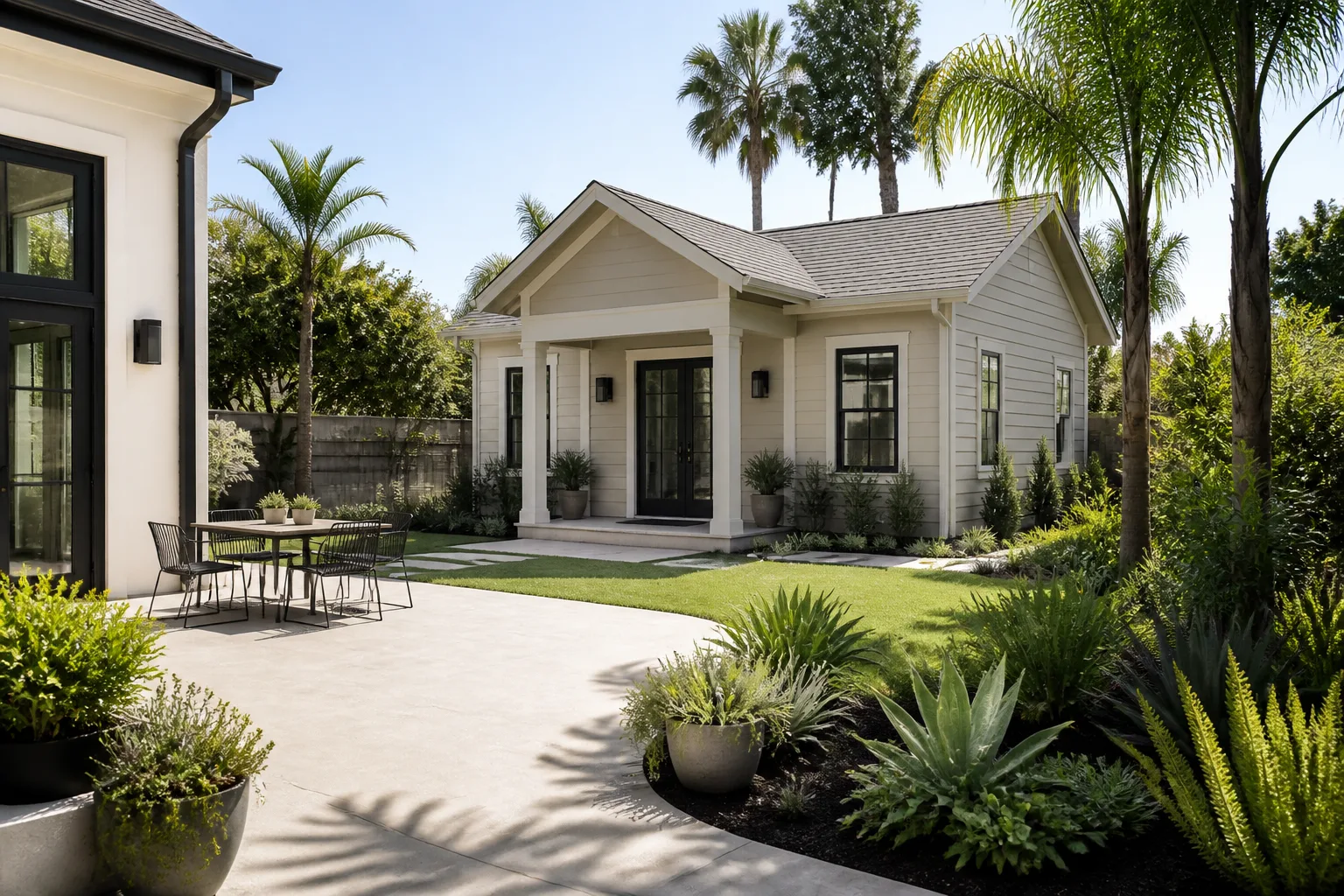
In Houston, a full Tuff Shed fence installation replacement runs $3,500 to $9,000. The spread comes down to three factors: total linear footage, whether we’re pulling and resetting existing concrete or pouring new footings, and the complexity of the shed wall connection. A simple 40-foot run with four posts and a single shed tie-in sits at the lower end. An 80-foot perimeter wrapping two sides of a shed with poor drainage and old concrete to remove lands at the top.
Every quote we write includes line items for post removal, new footings to Houston frost and soil code, replacement posts and rails, hardware, and the actual installation labor. We hand you a written price before any post hole is dug, and that number is the number on the invoice. The work is covered by our 365-Day Done Right Promise: if anything we install fails inside a year, we come back and fix it at no charge. No service call, no re-inspection fee, and that’s in writing on every job.
DIY or Call Us?
You can safely inspect a few things yourself: check for visible rust at post bases, measure post lean with a level, and look for gaps between the rails and your shed brackets. Those observations help us quote accurately over the phone. What goes wrong with DIY here is the post reset. Digging a 30-inch hole through Houston gumbo clay in August is a miserable job, and if the post isn’t set plumb in a proper concrete collar with the right drainage slope at the surface, you’ll be doing it again in eighteen months.
There’s also a safety element when a fence is tied to a Tuff Shed, because a loosely connected panel can kick sideways while you’re working near it. A falling 8-foot panel weighs enough to break a hand or pin a leg. If your fence is leaning or the shed bracket shows rust, call us at (254) 527-5340. We’ll give you a straight number and a straight story on what the job takes.
FAQs
In Houston’s climate, a properly installed Tuff Shed fence with treated posts and galvanized hardware should last 15 to 20 years before the first post shows meaningful rot, though the rail-to-shed brackets may need tightening every five years or so. Poor drainage or shallow footings will cut that lifespan by half. Call (254) 527-5340 and we’ll let you know what condition your existing install is actually in.
In many cases, yes: a single failed post can be pulled and reset without touching the rest of the run, and a loose bracket can be re-fastened or swapped in under an hour. The decision comes down to how many posts have failed and whether the rails are still sound. A written estimate will show you the repair cost next to replacement cost so the decision is yours to make.
Most Houston jobs run one to two working days from first post hole to final inspection, depending on footage and weather. We schedule a defined arrival window and a real person answers the phone 24/7 if you need to adjust or ask a question mid-job.
We keep common Tuff Shed bracket sets, post anchors, and galvanized fasteners on the truck, and we can source the rest from local Houston suppliers the same day. We also work with parts from KraftMaid, Cambria, and Silestone for our other remodeling lines. Call (254) 527-5340 for a free estimate and we’ll confirm the exact hardware your shed needs.
Penhallow Remodeling Houston is an independent service provider and is not affiliated with Tuff Shed. Give me the straight story on what you need, and I’ll give you the straight number on what it costs.
Written by Trevor Nash, Owner, Penhallow Remodeling Houston at Penhallow Remodeling Houston, serving Houston and nearby areas.


