

Last updated October 15, 2026






Free written scope consultation - allowances, timeline, and change-order rules on paper before a single trade is scheduled
DIY vs Professional Construction: The Houston Homeowner’s Decision Guide
A Houston homeowner who tiles their own shower surround risks a callback they pay for out of pocket; a homeowner who does their own electrical work in a Houston home risks a denied insurance claim, a failed permit inspection, and a disclosure obligation that shows up at resale. The stakes are not the same across project types, and most guides treat them as if they are. This guide walks through the exact line between work that saves you real money done yourself and work that costs you more by the time you factor in Houston’s climate, Texas code, and your insurance policy.
Quick Answer
In Houston, the DIY-vs-pro decision is not mostly about skill. It’s about liability, permits, and the ways local soil and humidity punish amateur structural, waterproofing, and mechanical work. The smart split is usually this: do your own demolition, painting, and finish work where code allows, and hire a licensed professional for anything that touches structure, electrical, plumbing, waterproofing, or gas. Our General Contractor Maintenance Checklist for Houston Homeowners covers what to prioritize. Getting that split wrong costs more than hiring a pro from day one.
Styles & brands we work with







Table of Contents
- The Texas Licensed-Trade Line: What You Legally Cannot DIY
- Why Houston’s Climate and Soil Change the DIY Equation
- The Houston Project Decision Matrix: What to DIY and What to Hire Out
- Permits, Insurance, and Disclosure: What Unpermitted DIY Really Costs
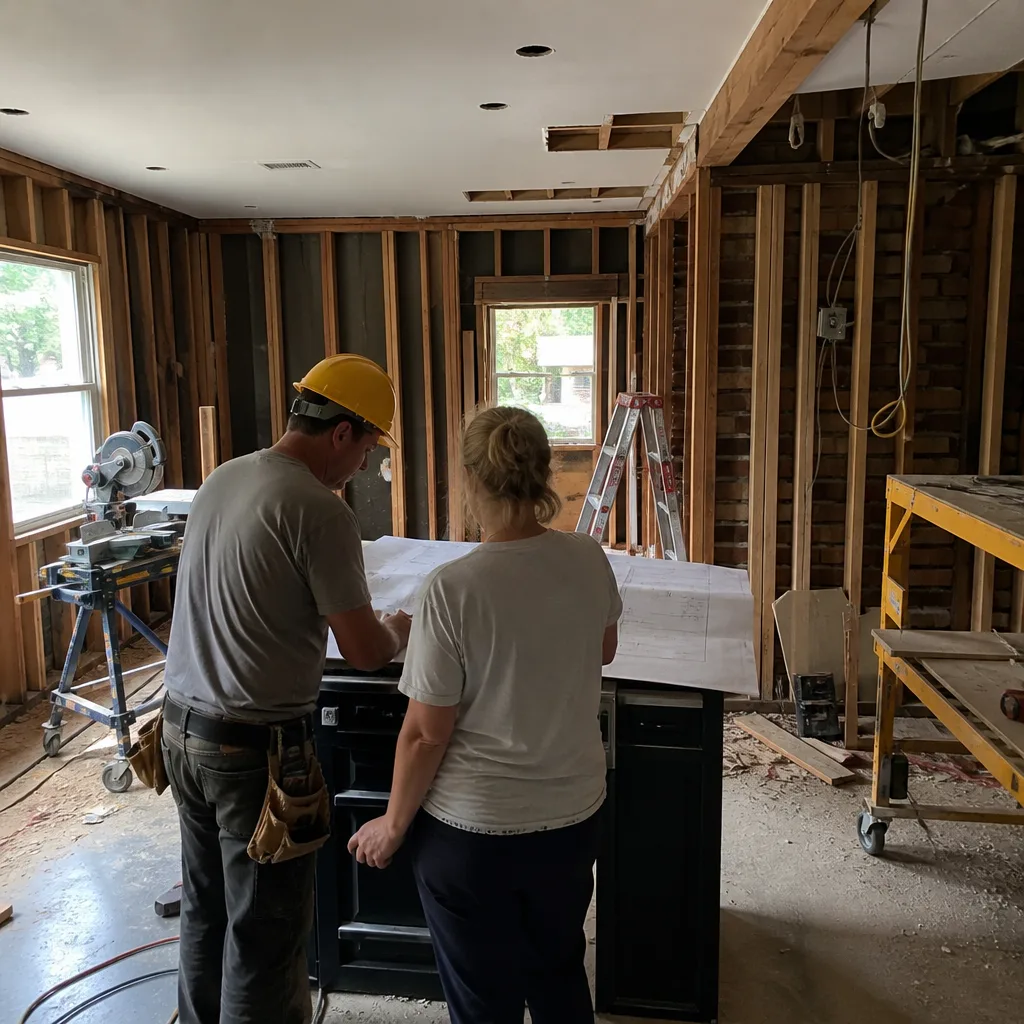
- The Hybrid Split: How to Do Part of the Work Yourself
- The Real Cost of DIY: Materials, Tools, Time, and the Second-Try Factor
- What to Look for in a Houston Contractor When You Do Hire Out
- Common Mistakes to Avoid
The Texas Licensed-Trade Line: What You Legally Cannot DIY
Texas law is explicit about which trades require a state license, and homeowner enthusiasm does not waive the requirement. If you own and occupy a single-family home, you may act as your own general contractor and pull your own permits for many projects. But the moment the work involves a regulated trade, the state draws a line you cannot cross without a license, even on your own property.
Plumbing is regulated by the Texas State Board of Plumbing Examiners. You cannot legally install, repair, or modify potable water lines, drain lines, gas lines, or water heaters without a master plumber’s license or a homeowner permit issued only after you pass a test and sign an affidavit that you will do the work yourself to code. Electrical work is regulated by the Texas Department of Licensing and Regulation. Homeowners in most Houston-area municipalities cannot pull an electrical permit for anything beyond replacing a fixture, outlet, or switch at the same location. New circuits, panel work, and wiring changes require a licensed electrician. Air conditioning and heating work requires TDLR licensing as well, which is why HVAC changeouts in Houston are almost never a legitimate DIY project.
What most guides miss is the consequences of crossing this line, because the labor is not the expensive part. An unpermitted electrical change that causes a fire gives your insurer a documented reason to deny the claim. An unpermitted plumbing modification that leaks and causes mold gives your insurer the same out. And when you sell, the Texas seller’s disclosure form asks specifically about unpermitted work and known defects. If you answer honestly, you may have to bring the work up to code at closing. If you don’t answer honestly, you have committed a misrepresentation that a buyer’s inspector will probably find anyway. The financial risk is not theoretical in Houston. We have walked through houses where a handyman-installed water heater voided the tank warranty and the homeowner’s policy at the same time.
What you can do without a license in Houston
- Painting, drywall patching, trim carpentry, and flooring that does not involve waterproofing or structural alteration
- Cabinet installation, countertop replacement (non-structural), backsplash tile over existing sound substrate
- Landscaping, fencing (with permit requirements depending on height and location), and non-structural outdoor work
- Demolition of non-load-bearing walls, fixtures, and finishes
What requires a licensed professional in Texas regardless of skill
- Any gas line work, including moving a gas range connection
- New electrical circuits, panel changes, and any wiring in walls
- Any plumbing that touches supply lines, drain lines, or the water heater
- Air conditioning, heating, and refrigerant work
- Structural changes: load-bearing wall removal, foundation repair, roof structure alteration
If you are not sure which side of the line your project falls on, the City of Houston permitting office will tell you. They are not trying to make your life harder. They are the same people who will inspect the work later and catch what a YouTube tutorial missed.
Why Houston’s Climate and Soil Change the DIY Equation
Houston sits on gumbo clay soil that expands when wet and contracts when dry. That movement is the reason so many slab foundations here develop hairline cracks, which is normal and usually harmless, and the reason tile work fails faster in Houston than it does in Dallas or Austin. A DIY shower tile job that would last twenty years in a dry climate with stable soil may crack grout lines in five years here, because the substrate moves in ways a first-time tiler never accounted for.
Humidity compounds the problem. Houston’s average relative humidity runs around 75% or higher during the building season. Amateur waterproofing mistakes that would cause a slow leak in Phoenix cause mold inside a Houston wall cavity within months. This is why the waterproofing under the tile matters more than the tile itself. Professionally installed cement board substrate, the moisture-resistant layer behind your tile, combined with a membrane system like Schluter’s, is the difference between a shower that stays watertight for decades and one that rots the studs behind it. The tile is just the visible finish. The waterproofing is the building system, and it fails silently.
Exterior work has the same issue. Paint on Houston surfaces fails faster when the surface was not properly pressure-washed, dried, and primed. Amateur painters skip the kill step, which is waiting for the surface to fully dry after washing, and the paint peels within two years. The same applies to siding, stucco repairs, and any gap that lets humid air into a wall assembly. In Houston, air infiltration is water infiltration. The climate does not give amateurs a margin of error. It actively works against them.
What this means practically is that Houston moves several projects from the “anyone can do it” column to the “pay someone who has done it fifty times” column. Shower surrounds. Exterior painting. Anything that touches the building envelope. The materials cost the same either way. The difference is whether you pay for them once or twice.
The Houston Project Decision Matrix: What to DIY and What to Hire Out
The useful question is not “Am I skilled enough?” It’s “What happens if this fails?” A failed paint job costs you the paint and a weekend. A failed shower waterproofing costs you the shower, the framing behind it, possibly the ceiling below it, and a mold remediation bill. The decision matrix below sorts common Houston projects by risk and payoff.
Lower risk, real savings: reasonable DIY for a careful Houston homeowner
- Painting interior rooms: $400 to $1,200 in materials for a typical bedroom or living area, versus $2,000 to $5,000 hired out. Failure mode is cosmetic and fixable.
- Demo of non-load-bearing walls, tile, cabinets, and fixtures: labor is the main cost here, and most homeowners can safely remove finishes as long as they turn off water and power first and verify the wall is not bearing weight.
- Finish carpentry: baseboards, door casings, crown molding. The material is cheap and mistakes are discarded pieces, not structural failures.
- Landscaping, patios, and non-structural outdoor work: Houston’s clay soil is a good reason to hire out anything involving drainage or retaining walls, but planting, mulch, and paver paths are fair game.
- Cabinet hardware and fixture replacement: swapping pulls, faucets, and light fixtures at the same location is a straightforward homeowner task in Texas.
Higher risk, hidden costs: hire out for these almost every time
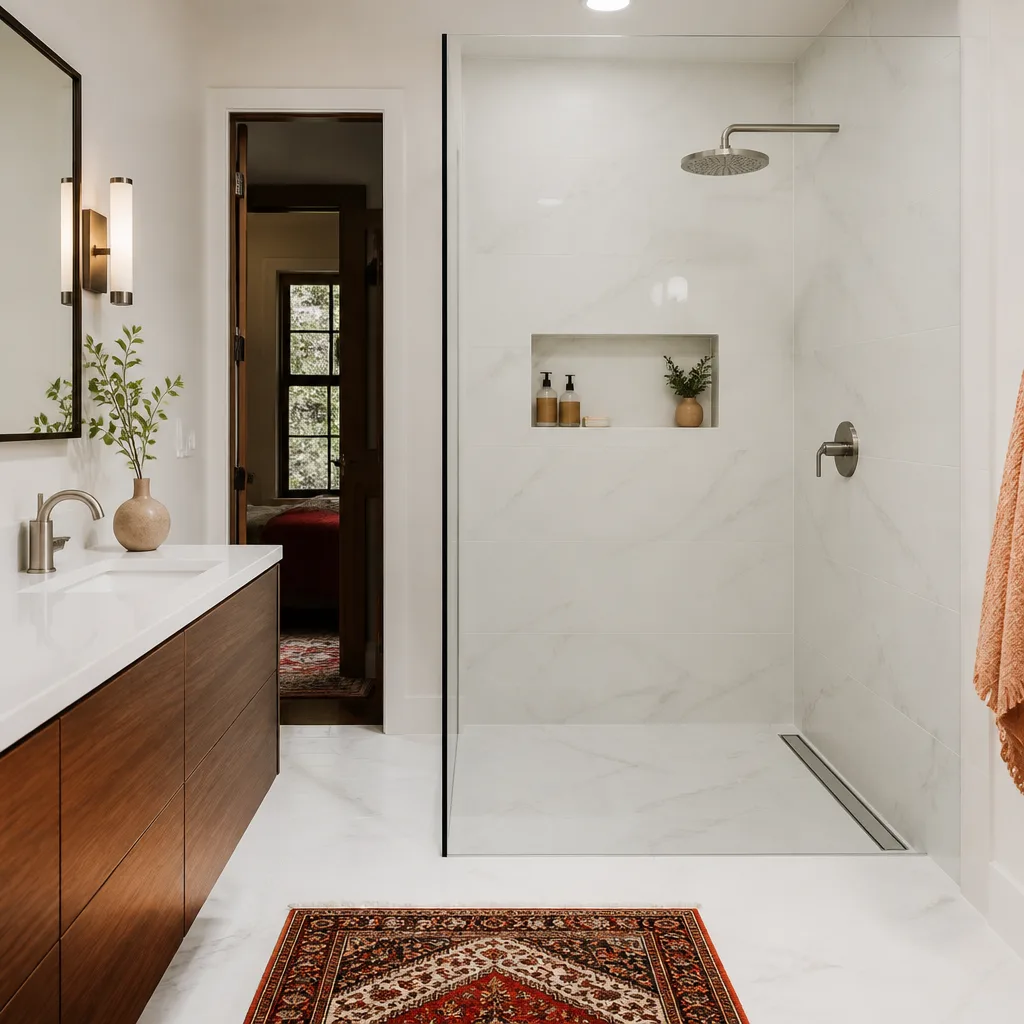
- Shower and tub surrounds: the tile is not the risk. The waterproofing under it is, and Houston humidity punishes any gap. A failed DIY shower often costs $6,000 to $18,000 to tear out and rebuild correctly.
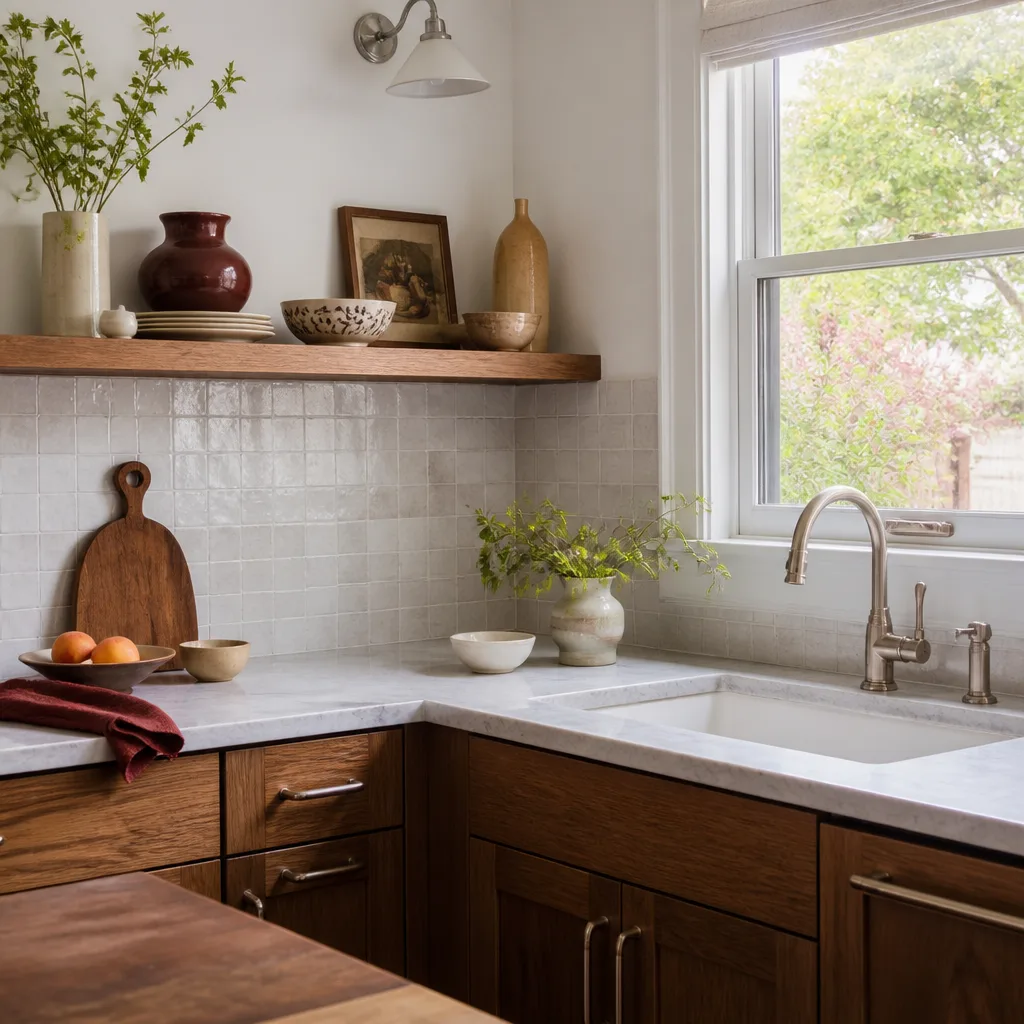
- Kitchen remodels that move plumbing or electrical: moving a sink, range, or lighting layout requires a licensed trade and a permit. See Kitchen Remodeling in Houston for what a full remodel actually involves that a YouTube video never shows.
- Bathroom remodels that remove a tub or relocate fixtures: the drain line, venting, and waterproofing are regulated trades. A Bathroom Remodeling in Houston done to code protects the rest of the house from water damage for decades.
- Exterior painting on Houston homes: the failure rate for DIY exterior paint here is high enough that many homeowners repaint within three years. Surface preparation on humid surfaces is the whole job.
- Any project touching the foundation: Houston clay soil means foundation work is never a weekend project. It requires an engineer and a contractor who understands local soil conditions.
Permits, Insurance, and Disclosure: What Unpermitted DIY Really Costs
The permit question is where DIY decisions in Houston become expensive in ways that do not show up on the project budget. Most homeowners think of permits as a fee. They are actually the document that keeps your insurance policy valid and your resale transaction clean. An unpermitted bathroom addition is not just a code issue. It is a coverage issue.
Texas property insurance policies contain language requiring the homeowner to maintain the property in compliance with code. Unpermitted work, especially electrical or plumbing modifications, gives the insurer grounds to deny a claim for damage caused by that work. A fire that starts in a bathroom where an unpermitted outlet was added becomes your bill, not the insurer’s. A water leak from a shower that was built without a permit and failed because the waterproofing was wrong becomes your bill. Houston courts have upheld denials on these grounds. The insurer does not need to prove the unpermitted work caused the loss directly, only that the policyholder violated the policy’s condition by doing it.
The resale side is just as concrete. The Texas seller’s disclosure form asks whether any improvements were made without required permits and whether the seller is aware of any defects in the property. If you did unpermitted work and you check no, you have misrepresented a material fact. The buyer’s inspector will often flag the work anyway, because unpermitted work usually looks unpermitted. At that point the buyer either walks or demands a repair credit, and you pay for the work twice: once to do it wrong, once to have it done right.
Practical guidance for Houston homeowners:
- Check with the City of Houston or your municipality before starting any project that changes structure, plumbing, electrical, or the building envelope. The permit fee is typically under $300. The consequences of skipping it start in the thousands.
- If you inherited unpermitted work from a previous owner, document it now rather than at sale. An honest disclosure with a repair estimate in hand is much cheaper than a disclosure conflict during escrow.
- For any project where a permit is required, use a contractor who pulls the permit in their name. A contractor who asks you to pull the permit is transferring the liability to you, which is exactly what you are paying them to take.
The Hybrid Split: How to Do Part of the Work Yourself
Most homeowners assume the choice is binary: do it all yourself or hire it all out. The model that actually saves money in Houston is the hybrid split. You do the work that is time-intensive but low-risk, and you hire a general contractor for the licensed, permitted, and waterproofing-critical middle. This is not unusual. Many General Contractor in Houston firms regularly work this way, especially with clients who want to stay involved in their own homes.
A typical hybrid kitchen remodel works like this:
- You do the demo: remove cabinet doors, old appliances, flooring, and non-load-bearing finishes. Demo is mostly labor, and careful homeowners save $800 to $2,500 doing it themselves.
- The contractor does the permitted work: electrical changes, plumbing relocation, structural reinforcing, and any gas line work. This is the part that must be right and must be permitted.
- The contractor does the waterproofing-critical finishes: shower surrounds, tub decks, any tile over a wet area. This is where Houston’s climate turns small mistakes into big bills.
- You do the finish work: painting, cabinet hardware, trim, backsplash over an existing sound substrate, and final cleanup. This is the visible part where a careful homeowner’s effort shows.
Negotiating this split requires saying it out loud before you sign anything. A written scope of work that says “homeowner responsible for demo and painting; contractor responsible for all permitted work and waterproofing” protects both parties. It also keeps the contractor’s price honest, because they are not pricing labor they will not perform. Not every contractor will split work this way. Some prefer full control, which is their right. But many will, especially when the homeowner asks in writing and the scope is clear. The key is having the conversation before the project starts, not after demo day.
The Real Cost of DIY: Materials, Tools, Time, and the Second-Try Factor
Homeowners usually compare the retail cost of materials to a contractor’s bid and conclude the contractor is overcharging. The comparison misses most of the cost. A contractor’s bid includes materials, tools they already own, labor, permits, and the time to do the job once. A DIY budget includes materials, tools you buy once, the time you take away from work and family, and the real possibility of doing the job twice.
Here is a Houston-specific example. A basic bathroom vanity replacement with a new faucet and drain connection. The vanity and faucet cost about $500 to $1,200. A plumber quotes $800 to $1,500 for the whole job, including moving the supply lines and drain to match the new vanity. The homeowner sees $500 in materials versus $1,500 in a bid and does it themselves. Four hours in, they discover the supply lines are galvanized and need cutting, the shutoff valves are old and won’t close fully, and the drain stub is at the wrong height. Now they need a pipe cutter, a torch or press tool for the valves, a call to a plumber for the emergency fix, and two days of a bathroom that does not work. The plumber’s original bid starts to look cheap.
Material costs that surprise Houston DIYers:
- Waterproofing systems: a proper Schluter membrane system for a standard shower runs $300 to $700 in materials alone, before any tile or labor. Skipping it is not a savings. It’s a future teardown.
- Tools for one job: a decent tile saw is $300 to $600. A wet saw rental is $60 to $100 a day. The tile saw you buy for a bathroom floor will not be used again for years.
- Leveling and substrate materials: Houston slab floors are rarely flat. Self-leveling compound runs $35 to $50 a bag, and a 200-square-foot room can easily need 8 to 12 bags before tile or vinyl goes down.
The second-try factor is the one most budgets miss. In our experience, somewhere between a third and half of DIY projects in Houston bathrooms and kitchens get redone within five years, either because the waterproofing failed, the tile cracked on moving slab, or the homeowner just cannot stand looking at the result anymore. Paying once for a professional installation is almost always cheaper than paying twice for the same project, especially when the first payment was in your own time.
What to Look for in a Houston Contractor When You Do Hire Out
When you decide a project belongs with a professional, the next question is which one. Houston has thousands of contractors and the licensing environment makes it easy for unqualified operators to bid work and disappear. The Houston market has a reputation for exactly the problem this guide is about: verbal estimates that change at the door, crews that do not show, and work that fails once the check clears. The homeowners reading this have often lived that experience once already.
What to demand in writing before you sign:
- A written price, not a range: the number on day one should be the number on the invoice. If a contractor will not commit a price to writing before work starts, walk. Houston labor and material costs are stable enough that a real contractor can quote one.
- A written guarantee: at minimum, a one-year workmanship warranty that says the contractor will return and fix any failure at no charge. The Kingswell standard we operate under requires exactly that, in writing, on every project.
- A defined arrival window: not “sometime next week.” A real schedule with a day and a time range, and a commitment to communicate if it changes.
- Proof of license and insurance: ask to see the actual certificates, not just a statement on a business card. In Texas, a general contractor does not need a state license for many remodel projects, but the electrical, plumbing, and HVAC subcontractors absolutely do.
- Named products in the bid: a line that says “countertops” is a blank check. A line that says “Cambria quartz in the Brittanicca colorway” is a commitment. The same applies to cabinets like KraftMaid or Wellborn, fixtures like Kohler or Moen, and waterproofing systems like Schluter.
We write this as a Houston remodeling company, but the standard applies to any contractor you hire. If the price is not in writing, it does not exist. If the guarantee is not in writing, it does not exist. That is the baseline, and it is the same standard we apply to our own work at Penhallow Remodeling Houston home.
Common Mistakes to Avoid
- Treating all DIY projects as equal risk. Painting a bedroom and rewiring a bathroom are not in the same category. Sort every project by what happens if it fails, not by how confident you feel.
- Skipping the permit to save $200. The permit fee is nothing compared to an insurance denial or a repair credit at closing. Houston and its surrounding municipalities enforce this, and the enforcement shows up at the worst time.
- Underestimating Houston slab movement. That hairline crack in the foundation is not a reason to panic, but it is a reason to use a decoupling membrane under floor tile. Most amateur tile failures in Houston are the slab moving, not the installer being careless.
- Using the wrong waterproofing material or skipping it entirely. Green board is not waterproof. Drywall is not waterproof. In Houston humidity, the shower fails before the grout dries. Use a real membrane system or pay someone who will.
- Not checking your insurance policy before starting. Pull the policy, read the exclusions, and know what unpermitted work does to your coverage. If the language is unclear, call your agent and ask directly. The answer may change your whole plan.
- Assuming you will finish the project. Half-done kitchens and bathrooms are the most common outcome of overconfident DIY in Houston. A half-done project costs more to rescue than the original project would have cost hired out from day one.
See the difference
 Before
 After
After Before
 After
After Before
 After
AfterWhen to Call a Professional
Call a professional when the project touches structure, waterproofing, gas, or the building envelope. Call a professional when the work requires a permit and the permit requires a licensed trade. Call a professional when the failure mode is water damage or fire rather than cosmetic. And call a professional when you would rather pay once than risk paying twice. Penhallow Remodeling Houston offers free estimates in Houston, with a written price before any work starts, for kitchen and bathroom remodels and whole-home projects. Call (254) 527-5340 to schedule one. The estimate costs nothing, and it tells you exactly where the DIY line sits for your specific house, on your specific slab, in your specific neighborhood.
Frequently Asked Questions
You need a permit for any kitchen remodel that changes plumbing, electrical, gas, or structure. A cosmetic update that keeps fixtures and layout in place does not require one. The City of Houston requires permits for fixture relocation, new circuits, gas line changes, and any structural alteration, and the permit must be pulled by a licensed trade for the regulated portions. Call (254) 527-5340 if you’re unsure whether your specific project crosses the line; we can tell you over the phone.
You may replace an existing outlet, switch, or light fixture at the same location without a permit in most Houston municipalities. You may not run new circuits, install a subpanel, or move wiring without a TDLR-licensed electrician and a permit. Unpermitted electrical work is one of the most common reasons insurance claims get denied after a fire, and it must be disclosed when you sell. For anything beyond a like-for-like fixture swap, hire a licensed electrician.
A full bathroom remodel in Houston typically runs $12,000 to $35,000 depending on size, fixture lines, and whether the layout changes. A cosmetic bathroom refresh with a new vanity, fixtures, and paint runs $4,000 to $9,000. The biggest cost drivers are waterproofing scope, plumbing relocation, and tile selection. Call (254) 527-5340 for a written price on your specific bathroom; estimates are free and the number on day one is the number you pay.
You must disclose unpermitted work on the Texas seller’s disclosure form, and a buyer’s inspector will often find it even if you do not. The typical outcome is a repair credit or a demand to bring the work up to code before closing. If you do not disclose and the buyer discovers the work later, you may face a misrepresentation claim. The cheapest path is usually to have the work permitted and inspected before you list the home.
You can, but you should not. Houston’s humidity and slab movement make shower waterproofing the highest-risk DIY project in the house, and a failed shower pan typically costs $6,000 to $18,000 to tear out and rebuild correctly. If you are determined to do it, use a full membrane system like Schluter, not sealant over drywall or cement board alone. The tile is cosmetic; the waterproofing under it is the building system, and it fails silently in Houston’s climate.
Ask in writing before you sign the contract, and define exactly what you will do and what the contractor will do. A clear written scope, like “homeowner responsible for demo and painting; contractor responsible for all permitted and waterproofing work,” makes the split workable. Many Houston contractors will agree to it, especially when it lowers the bid. If a contractor refuses, ask why; the answer will tell you whether they are protecting their quality or protecting their price.
The Bottom Line

The DIY-vs-pro decision in Houston is not about how handy you are. It is about what happens when the work fails. Painting and demo and trim carpentry forgive mistakes. Shower waterproofing, electrical work, plumbing changes, and anything touching the foundation do not. Houston’s clay soil and humidity make those failures faster and more expensive than they would be elsewhere. The smart play is a split: do the low-risk labor yourself, and put the licensed, permitted, waterproofing-critical work in writing with a contractor who guarantees it. Pay once, do it right, and know what you are disclosing when you sell. That is the Houston way.
Written by Trevor Nash, Owner at Penhallow Remodeling Houston, serving Houston since 2004.


