

Free written scope consultation - allowances, timeline, and change-order rules on paper before a single trade is scheduled
Quikrete Home Additions & ADU: The Houston Owner’s Guide
Most Houston homeowners don’t wake up planning to pour a foundation or frame an ADU. They wake up to a cracked stem wall, a garage slab that’s heaved two inches on the north corner, or a mother-in-law suite that was permitted as a “storage room” and now needs to become legal living space. We handle Quikrete-specified concrete work for home additions and ADUs across Houston, and a full addition or detached unit typically lands between $45,000 and $130,000 installed, depending on square footage, soil prep, and whether you’re tying into the existing foundation or pouring fresh. The first sign of trouble is almost always visible: a crack that widens after rain, a door that suddenly sticks, or a slab edge that’s spalling under the downspout line.
From Meyerland to the Heights, Houston’s gumbo clay soil expands and contracts enough to test any concrete pour. That’s why the prep under the slab matters as much as the mix that goes on top, and why we treat every Quikrete-related addition as a soil problem first and a concrete problem second. Call (254) 527-5340 and we’ll walk the site, take elevation readings, and give you a written number before any work starts.
Which Quikrete Models This Applies To
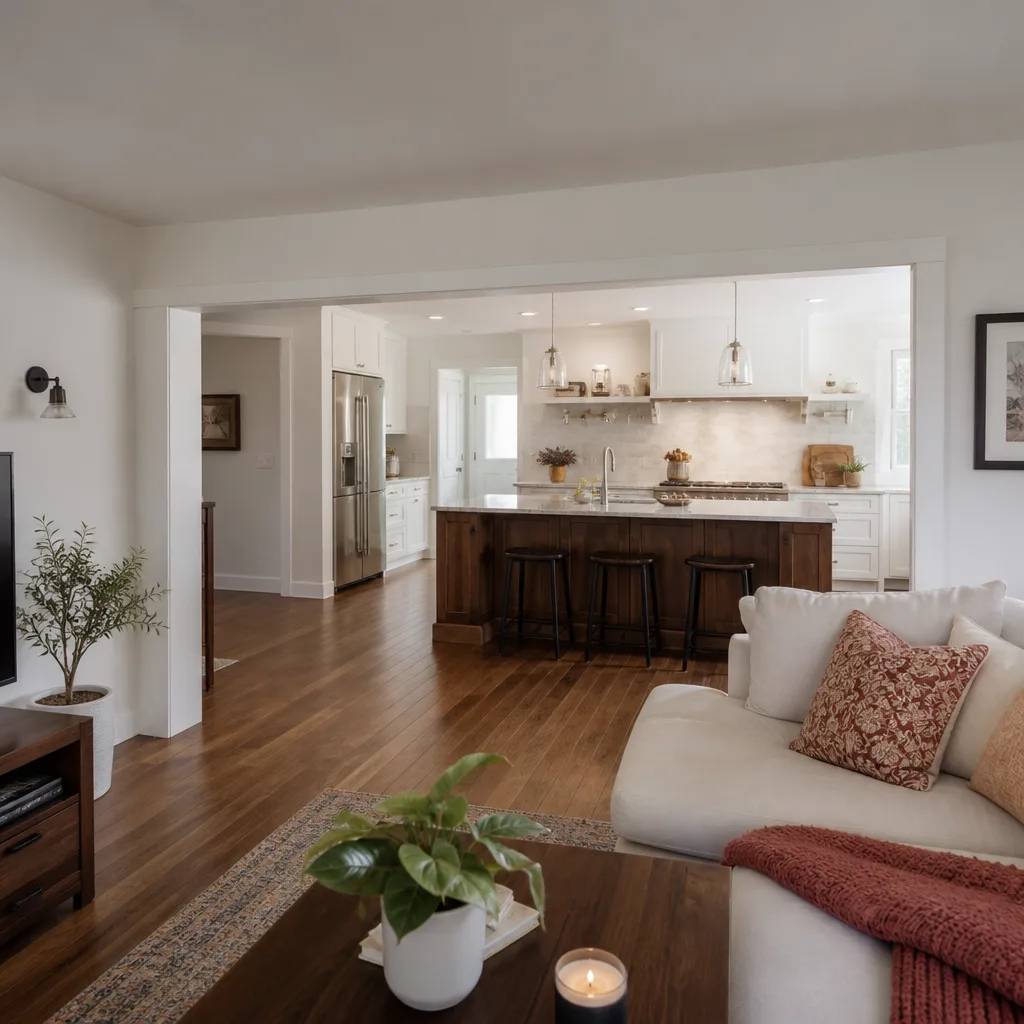
Quikrete doesn’t make a single “addition mix” the way it makes a one-size-fits-all concrete patch. What you’re really dealing with is a system: Quikrete 5000 High Early Strength for structural footings and stem walls, Quikrete Crack-Resistant Concrete Mix for interior slabs and non-load-bearing pads, Quikrete Concrete Resurfacer for topping a spalled slab before laying flooring, and Quikwall Surface Bonding Cement where block walls need both strength and a finished face. Each one behaves differently in Houston’s high-moisture, clay-heavy ground, and matching the wrong product to the wrong application is the most common failure we’re called to fix.
The label matters more than most homeowners think. A bag of Quikrete 5000 poured into a sidewalk form will work, but it’s overkill and sets fast enough to burn an amateur finisher in August heat. A bag of standard Concrete Mix used for a load-bearing footing is a structural risk. We check the PSI rating, the aggregate size, and the set time against what the addition actually carries before we quote a single bag. As an independent Houston contractor, we’re not affiliated with Quikrete, but we specify their products daily and keep the common mixes on our trucks.
Styles & brands we work with







Signs Your Quikrete Home Additions & ADU Is Failing
- Stair-step cracks in the brick or block. This means the foundation is moving differentially. In Houston it’s usually clay soil drying unevenly under one corner. The crack follows the mortar joints because mortar is weaker than the block. If it’s wider than a quarter inch, it’s structural until proven otherwise.
- Doors and windows that stick only in certain seasons. Gumbo clay swells when wet and shrinks in drought. A slab that moves seasonally will pinch a door frame in summer and release it in winter. That’s not seasonal quirk; that’s soil movement under an underslab.
- Spalling or flaking concrete at the slab edge. Water sitting against the foundation erodes the paste that holds the aggregate together. We see it under gutter downspouts and behind planter beds more than anywhere else in Houston backyards.
- A slab that’s visibly tipped or settled. Put a level on the floor. If the bubble’s buried, the slab has moved. ADU pads in Houston are notorious for this when contractors skip the compacted fill or pour over uncompacted clay.
- Water pooling against the stem wall after a hard rain. Poor grading or missing drainage lets water saturate the same clay that’s holding your foundation. Quikrete itself doesn’t fail; the soil beneath it does. The fix is drainage first, concrete second.
See the difference
 Before
 After
After Before
 After
After Before
 After
AfterReplacement Cost & What’s Included
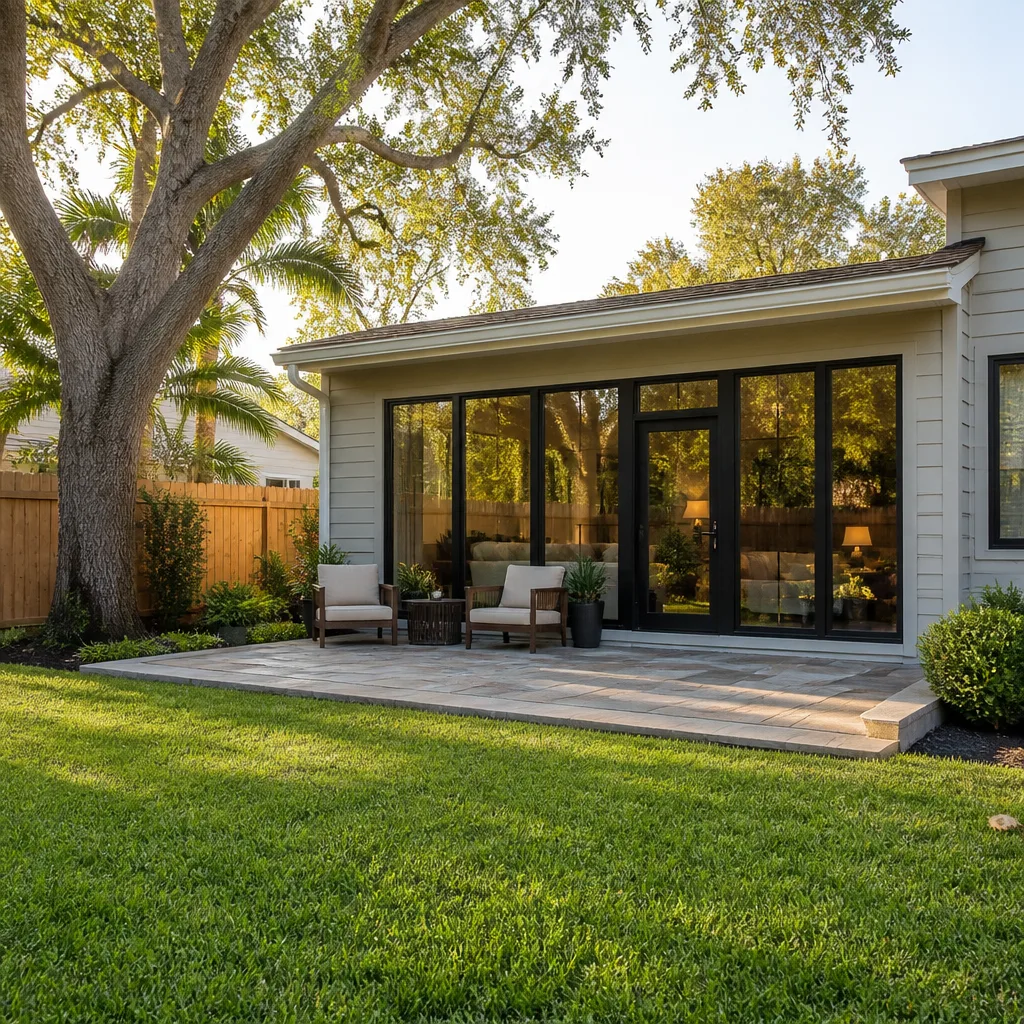
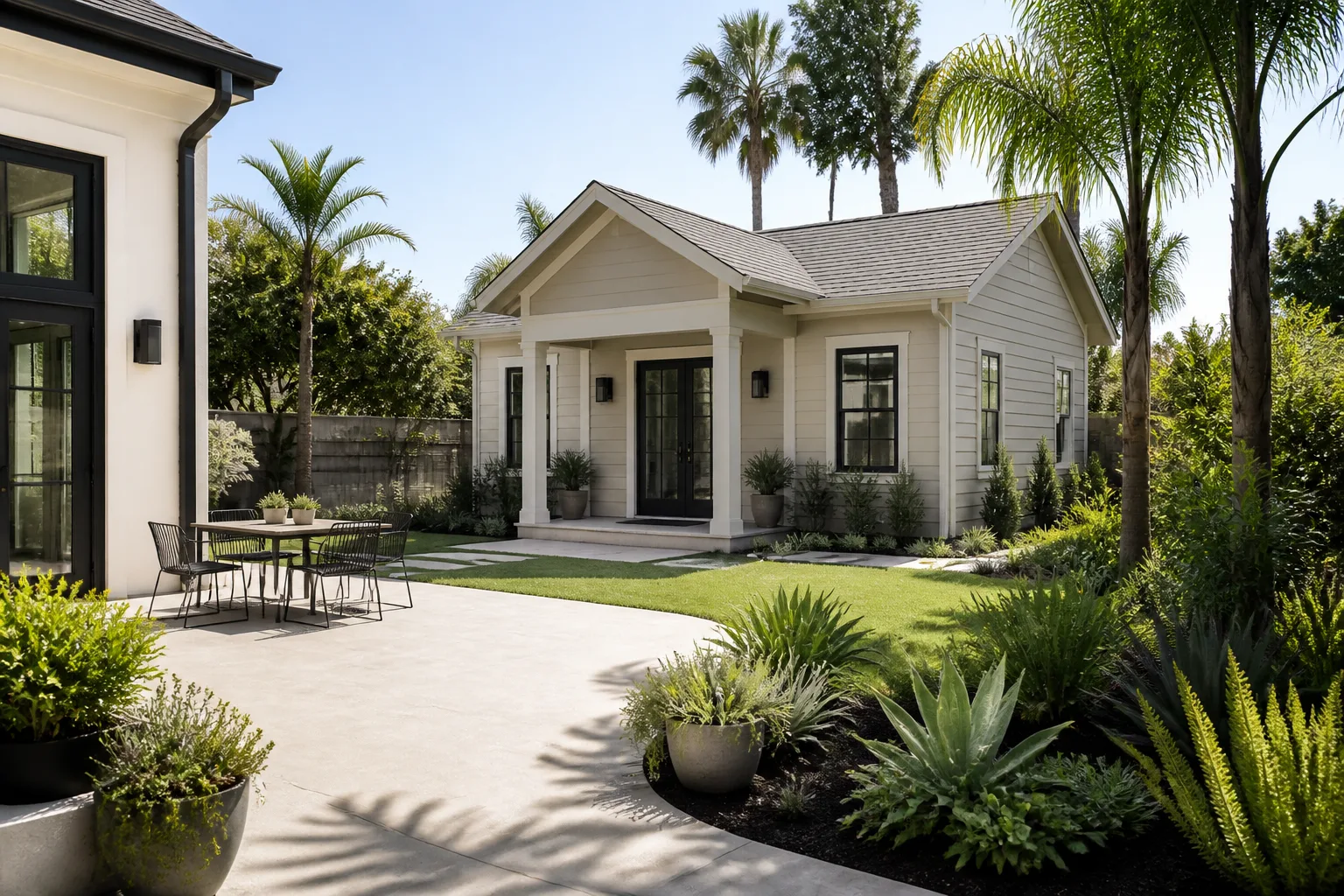
Home additions in Houston run $45,000 to $130,000 installed. A full ADU built to code typically lands between $90,000 and $220,000. The swing comes down to three things: the condition of your existing soil, the size of the pour, and whether you need piers or beams before the concrete ever shows up. A small room bump-out with a slab-on-grade runs the bottom of the range. A two-story addition with a new stem wall, helical piers, and engineered footing runs the top, and sometimes beyond if the soil report comes back ugly.
What you get from us is a written price before the first form is set. That price includes excavation, form work, rebar schedule, Quikrete product, pour, finish, and the 365-Day Done Right Promise in writing. If a crack opens, a slab heaves, or a wall moves inside the guarantee period, we come back and make it right at no charge. No re-inspection fee, no service call. The number on day one is the number on the final invoice.
- Home Addition: $45,000 – $130,000
- ADU Construction: $90,000 – $220,000
- Garage Conversion: $30,000 – $80,000
DIY or Call Us?
If you’re just patching a hairline crack in a non-structural slab, a bag of Quikrete Concrete Crack Seal and a trowel is reasonable weekend work. Same for resurfacing a spalled patio. But the moment the word “addition” or “ADU” enters the conversation, you’re talking about structural concrete, and structural concrete in Houston’s clay soil is not a learning project.
We’ve been called out to fix DIY footing pours where the homeowner used the wrong mix, skipped the rebar, or poured on uncompacted fill and watched the slab crack before the framing inspection. The tear-out cost them triple what the original pour would have cost done right. Trevor Nash has been swinging a hammer long enough to know exactly how fast Houston clay punishes a shortcut. If you’re not sure whether your project is structural, call (254) 527-5340 and describe what you’re seeing. We’ll tell you honestly whether it’s a weekend job or a crew job, and the call costs you nothing.
FAQs
A properly prepped and poured slab using Quikrete structural mixes should last 50 years or more in Houston, provided the drainage is right and the soil beneath it stays stable. The slab itself rarely fails; the subgrade does. Poor compaction and water management are what shorten concrete life here, not the mix.
Sometimes. Hairline cracks with no vertical displacement can be filled and sealed. But if one side of the crack is higher than the other, the slab is moving, and patching it is cosmetic triage. For structural movement, the fix is underpinning or piering, not more Quikrete on top. Call (254) 527-5340 and we’ll tell you which situation you have.
For a typical Houston room addition, excavation and prep take one to two days, the pour itself is a single day, and finishing runs another day. Curing continues for 28 days, but framing can usually begin after 7. Weather and soil conditions can push the schedule, and we give you a written arrival window before work starts so you’re never guessing.
We keep Quikrete 5000, standard Concrete Mix, Crack-Resistant Mix, and Quikwall on our Houston trucks, along with the aggregates and rebar we need for most pours. If your project has a specific spec from an engineer, we’ll order it before we arrive. We also source project materials from KraftMaid, Cambria, and Silestone when the addition includes cabinetry or countertops.
If your Quikrete concrete work is cracking, moving, or just worrying you, give us a clear description of what you’re seeing. We’ll give you the straight story on what it will take to fix, and the straight number on what it costs. Call (254) 527-5340 to schedule a free site walk and written estimate.
Written by Trevor Nash, Owner, Penhallow Remodeling Houston at Penhallow Remodeling Houston, serving Houston and nearby areas.


