
Free written scope consultation - allowances, timeline, and change-order rules on paper before a single trade is scheduled
Tamko Home Additions & ADU: The Houston Owner’s Guide
If your Tamko home addition built on a pier-and-beam foundation is showing signs of settling, or your ADU’s exterior sheathing is swelling at the seams, here’s the straight answer: we inspect and replace the failed components, and a full home addition runs $45,000 – $130,000 in Houston, while a standalone ADU typically lands between $90,000 and $220,000 depending on square footage, foundation type, and finish level. Most owners discover the problem the same way: a door that suddenly won’t latch, a crack running diagonal from a window corner, or a soft spot where the sill plate meets the slab. We’re an independent Houston remodeler, not a Tamko subsidiary, which means we match the right repair to the actual failure instead of selling you a brand narrative.
Trevor Nash has walked enough Houston job sites to know that a foundation problem in Meyerland is different from one in Kingwood. The clay soil east of 610 moves more aggressively than the sandier soil north of Beltway 8, and that movement is usually what stresses the framing and sheathing on any addition, Tamko-spec or otherwise. If you want a straight story on what’s failing, we’ll give it to you.
Which Tamko Models This Applies To
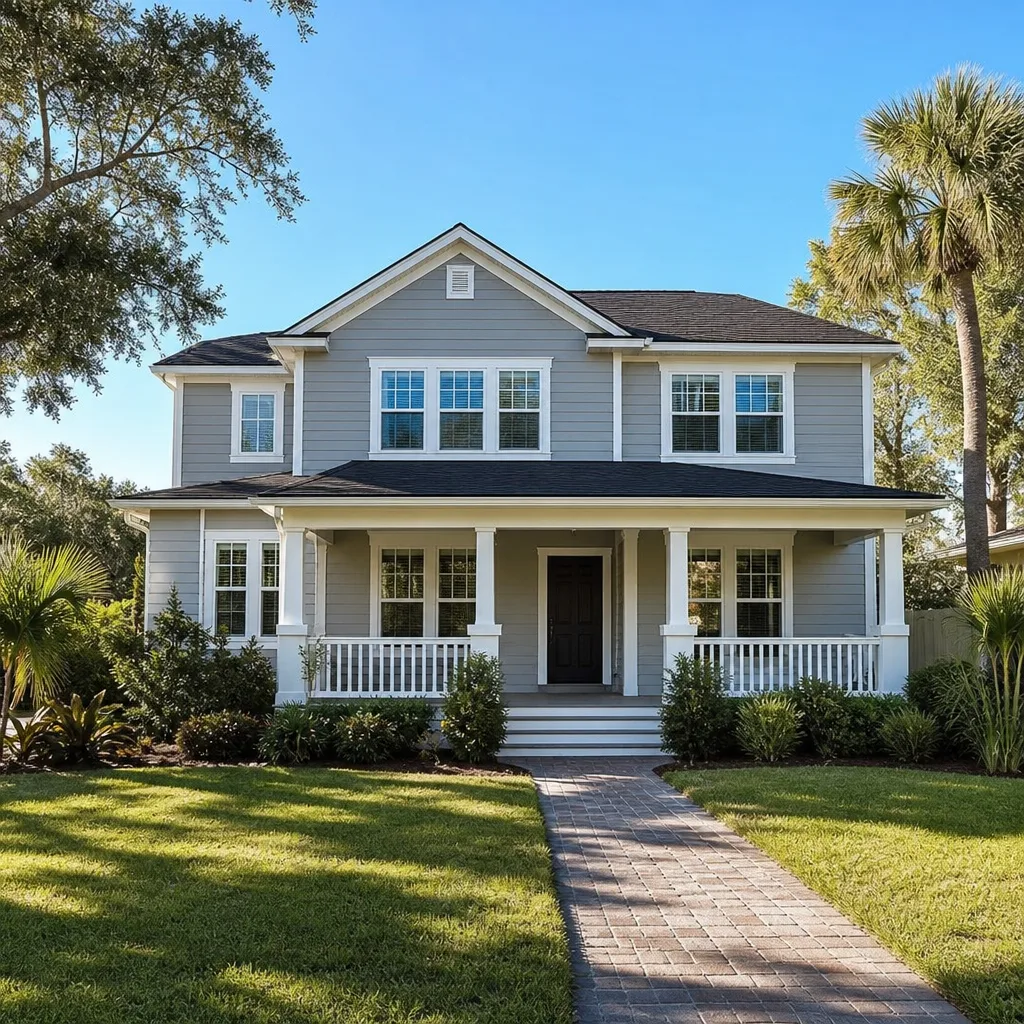
Tamko’s building products division supplies engineered wood siding, exterior sheathing, roofing underlayment, and composite trim boards to addition and ADU projects across Texas. The compatibility issue most Houston owners hit is this: Tamko’s treated sheathing carries specific fastener and spacing requirements that differ from standard OSB. If the original installer used plain electro-galvanized nails instead of the specified hot-dipped fasteners, the sheathing starts degrading around the nail heads within three to five years, especially with Houston’s humidity cycling.
Here’s the compatibility gotcha that costs homeowners thousands: Tamko sheathing installed on an addition built before 2018 often carries a different exposure rating than current stock. If your addition’s exterior was spec’d for a 16-inch on-center framing schedule and someone spaced studs at 24 inches, the panel edges will sag, and no amount of caulk fixes that. When you call us, we’ll check the framing schedule, the fastener type, and the panel stamp before we quote a single board. If the original part is out of production, we’ll show you an equivalent rated sheathing, explain the difference, and put the number in writing.
Styles & brands we work with







Signs Your Tamko Home Additions & ADU Is Failing
- Doors that stick seasonally, then suddenly won’t latch at all. This signals foundation movement under the addition’s perimeter beam. Houston’s clay soil shrinks in drought and swells after heavy rain; the beam follows the soil, and the door frames telegraph the movement.
- Sheathing that looks wavy or swelled along the bottom edge. That’s moisture wicking up from grade. Tamko’s treated sheathing resists decay, but only to the stamped exposure rating. If landscaping, mulch, or a patio slab has raised the grade above the sill plate, the panel’s lower edge sits in the splash zone and degrades.
- Diagonal cracks running from window or door corners. On a wood-framed addition, this usually means the header or king stud has shifted. On an ADU with a slab foundation, it’s often slab edge settlement. Either way, the crack tells you the structure is moving where it shouldn’t.
- A musty smell inside the addition that gets worse after rain. Failed flashing at the roof-to-wall junction lets water run behind the Tamko siding. By the time you smell it, the sheathing has been wet for months, and you’ll usually find staining when you pull a section of trim.
- Exterior trim boards pulling away at the corners. Tamko’s composite trim expands and contracts at a different rate than the siding. If it was fastened without the recommended gap at butt joints, the boards buckle and pop their fasteners within a few Houston seasons.
Replacement Cost & What’s Included
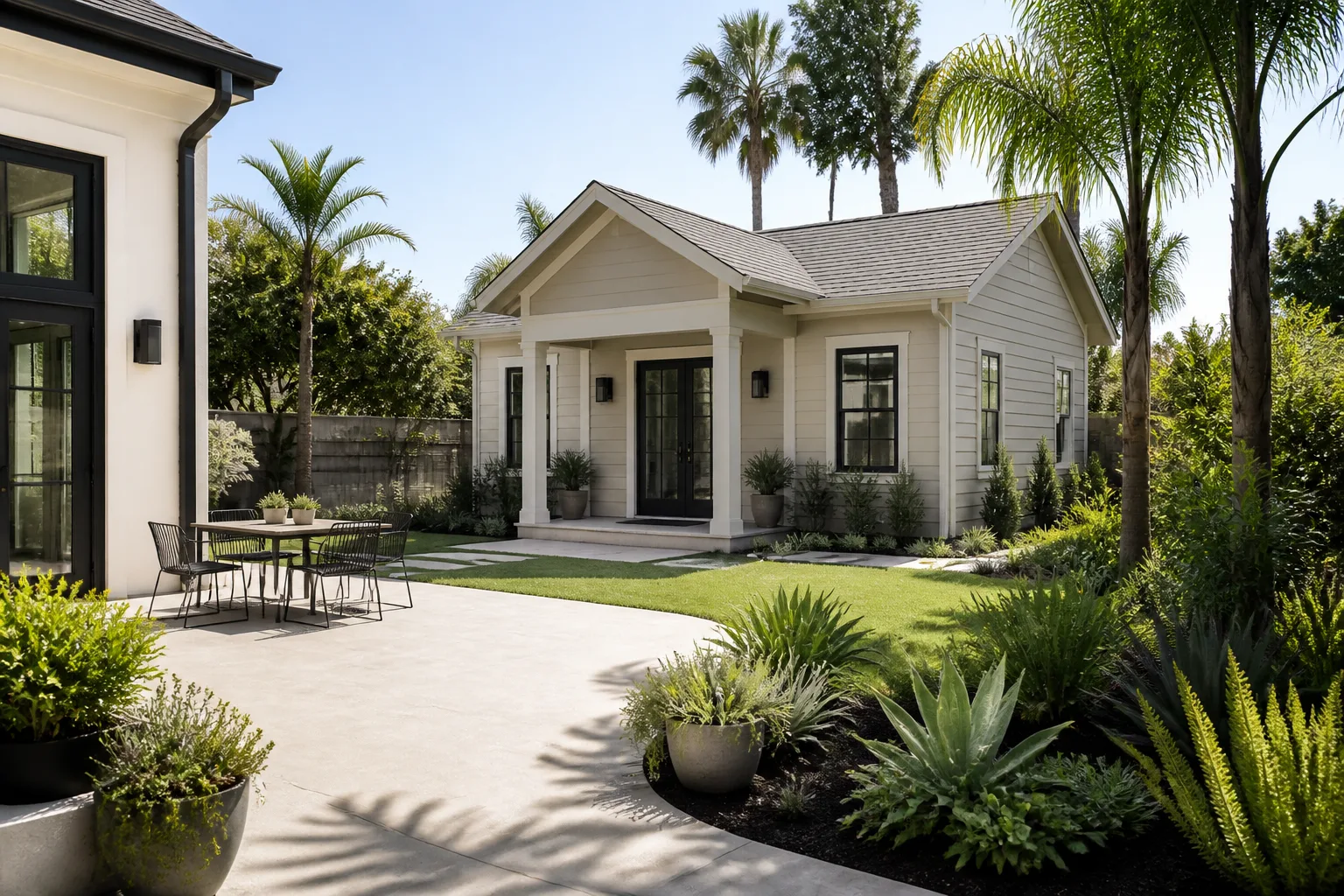
A full home addition in Houston runs $45,000 – $130,000. A detached ADU runs $90,000 – $220,000. Those are wide ranges because the real drivers are square footage, foundation type, and whether you’re repairing a failed component or building from the slab up. If you’re looking at sheathing replacement only on a 400-square-foot addition, you’re typically in the $8,000 – $15,000 range including tear-off, disposal, new Tamko-rated panels, housewrap, flashing, and exterior trim. A pier-and-beam repair under a settled corner runs $3,000 – $9,000 depending on how many piers need shimming or replacing.
Every price we give is written. It includes all labor, materials, debris removal, and the permit work if the job requires it. We don’t hand you a range and then add change orders once the wall is open. If we open the wall and find rot behind the sheathing, we stop, show you what we found, and give you a written number for the additional repair before we touch another board. That’s the Kingswell Way, and it’s been how we operate since 2004. The work carries our 365-Day Done Right Promise: if a repair we made fails inside a year, we come back and make it right at no charge, in writing.
See the difference
 Before
 After
After Before
 After
After Before
 After
AfterDIY or Call Us?
Here’s the honest split. You can safely check the obvious: walk the perimeter and look for grade that’s risen above the sill plate, check for missing or popped fasteners, and run a hose along the roofline to watch where water flows. That’s useful information when you call us. What you shouldn’t do is pull off siding panels or try to jack a settled beam yourself. The moment you remove structural sheathing, you’re changing how load transfers through the wall. Get it wrong, and the corner of your addition drops. The same goes for pier work: shimming a beam that’s carrying weight is not a weekend job, and it’s genuinely dangerous if a bottle jack slips. If you suspect foundation movement under your Tamko addition, call us at (254) 527-5340. We’ll come out, take elevations, and tell you what’s actually moving before you spend a dollar on repairs.
FAQs
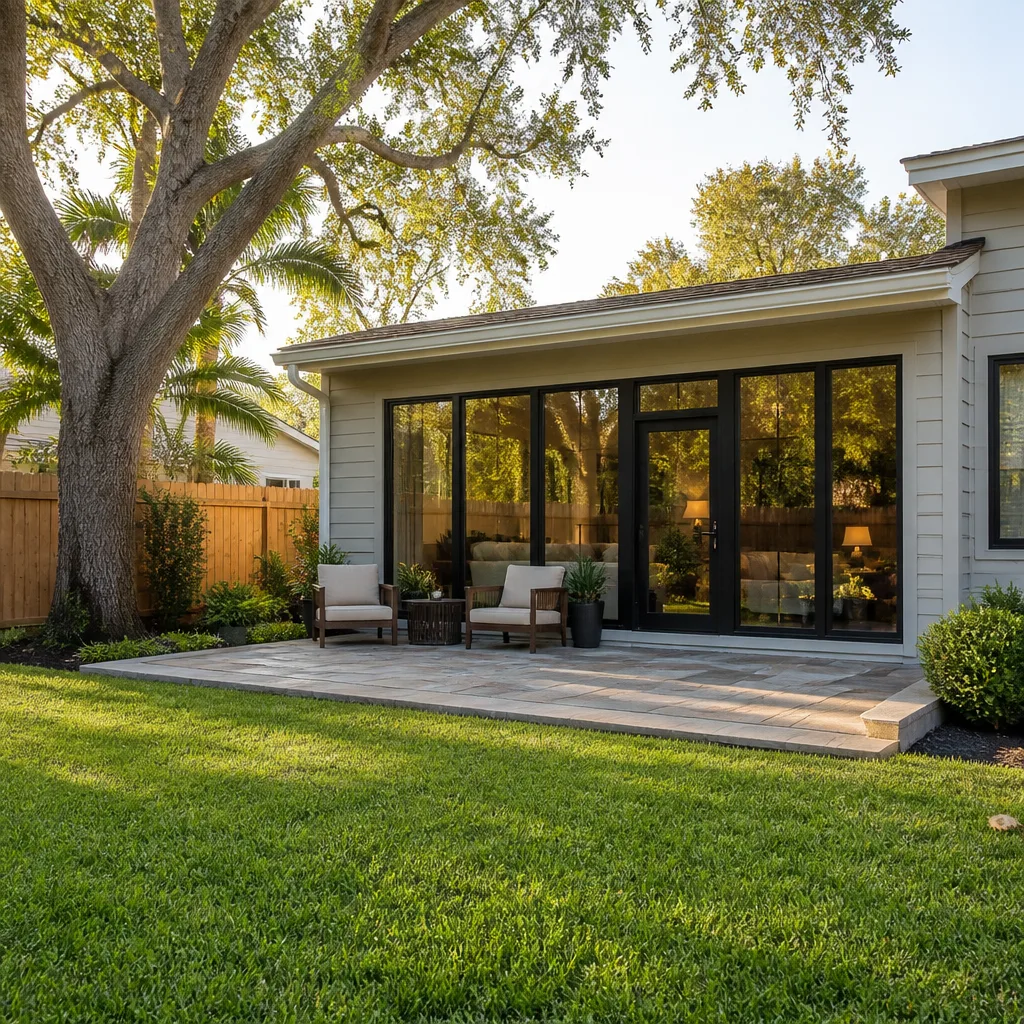
A properly built addition with Tamko-rated sheathing should last 30 to 50 years structurally, but the exterior cladding will need inspection every 5 years in Houston’s humidity. The weak points are always the same: grade-level exposure, flashing at roof junctions, and fastener corrosion near the coast or any area with irrigation overspray. Call us at (254) 527-5340 if you want us to walk the exterior and tell you what condition the sheathing is actually in.
Yes, if the failure is localized. A single rotted panel at a corner can be cut out and replaced with a new Tamko-rated panel, new housewrap, and proper flashing, usually in one to two days. But if the framing behind the sheathing has been wet long enough to lose its nail-holding capacity, you’re looking at framing repair first, and that changes the scope. We’ll tell you which situation you have after we open the wall.
Most sheathing repairs on a single wall of an addition take one to three working days, assuming the framing is sound. Pier-and-beam leveling under a settled corner usually takes two to five days, including re-shimming, re-leveling, and any floor adjustments. We’ll give you a defined arrival window before we start, and the crew will leave the job site cleaner than they found it.
We keep common-rated sheathing panels, treated sill plates, flashing, and composite trim on hand for the frequent repairs, but full Tamko-specific panel orders are pulled per job after we confirm the exposure rating and thickness on your existing installation. That keeps us from putting the wrong spec on your wall. We also work with KraftMaid, Cambria, and Silestone products on addition interiors when the scope includes kitchens or baths.
Call Penhallow Remodeling Houston for a Written Estimate
If your Tamko addition or ADU is showing any of the signs above, don’t guess at it. Call (254) 527-5340 and a live person will answer, 24/7, not a voicemail maze. We’ll schedule a walkthrough, Trevor or one of our background-checked techs will take measurements and check the framing, fasteners, and grade, and you’ll get a written price before any work starts. Give me the straight story on what you need, and I’ll give you the straight number on what it costs. That’s how we’ve done it since 2004, and it’s why Houston homeowners call us when the first contractor’s fix didn’t hold.
Written by Trevor Nash, Owner, Penhallow Remodeling Houston at Penhallow Remodeling Houston, serving Houston and nearby areas.


